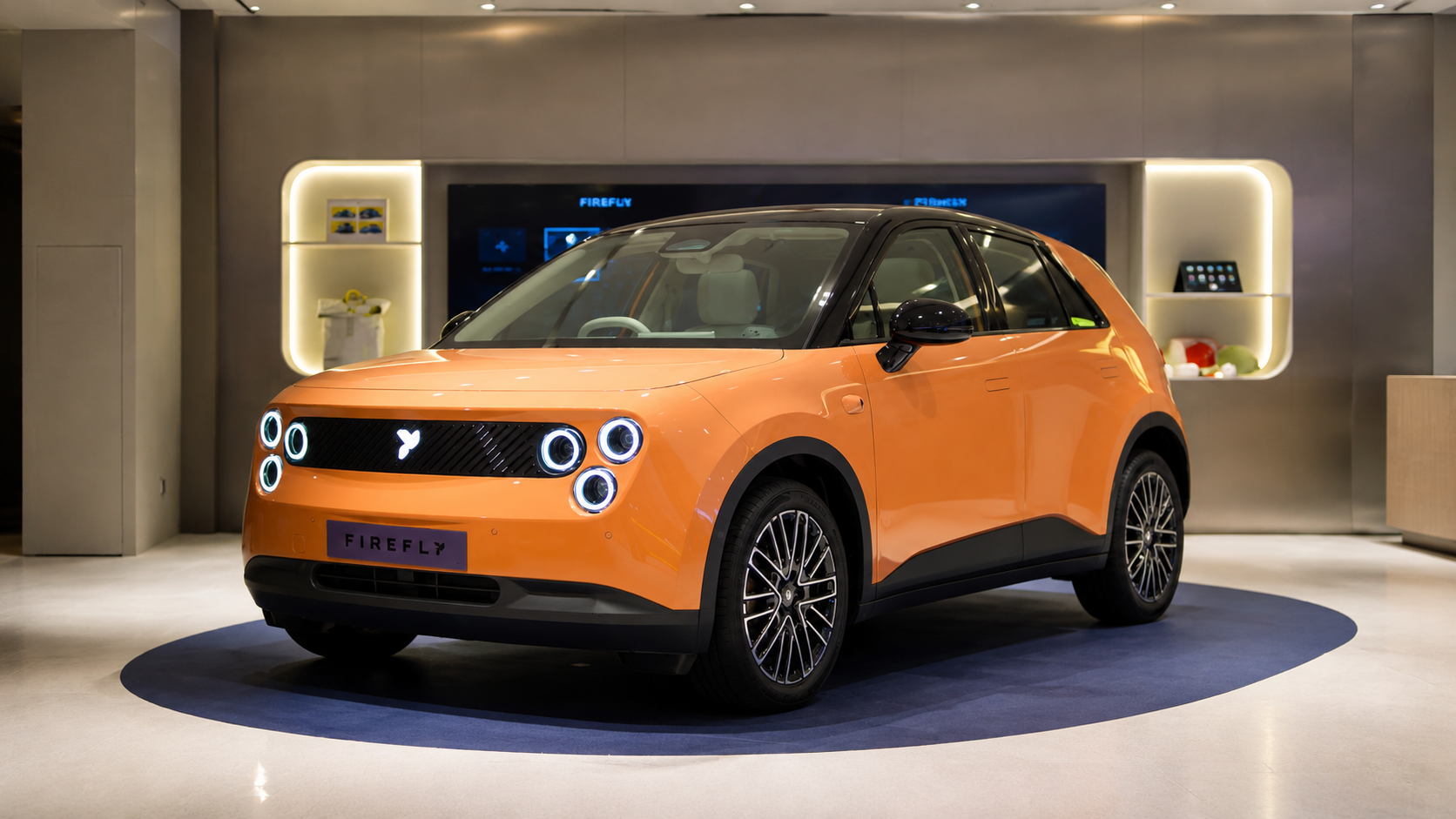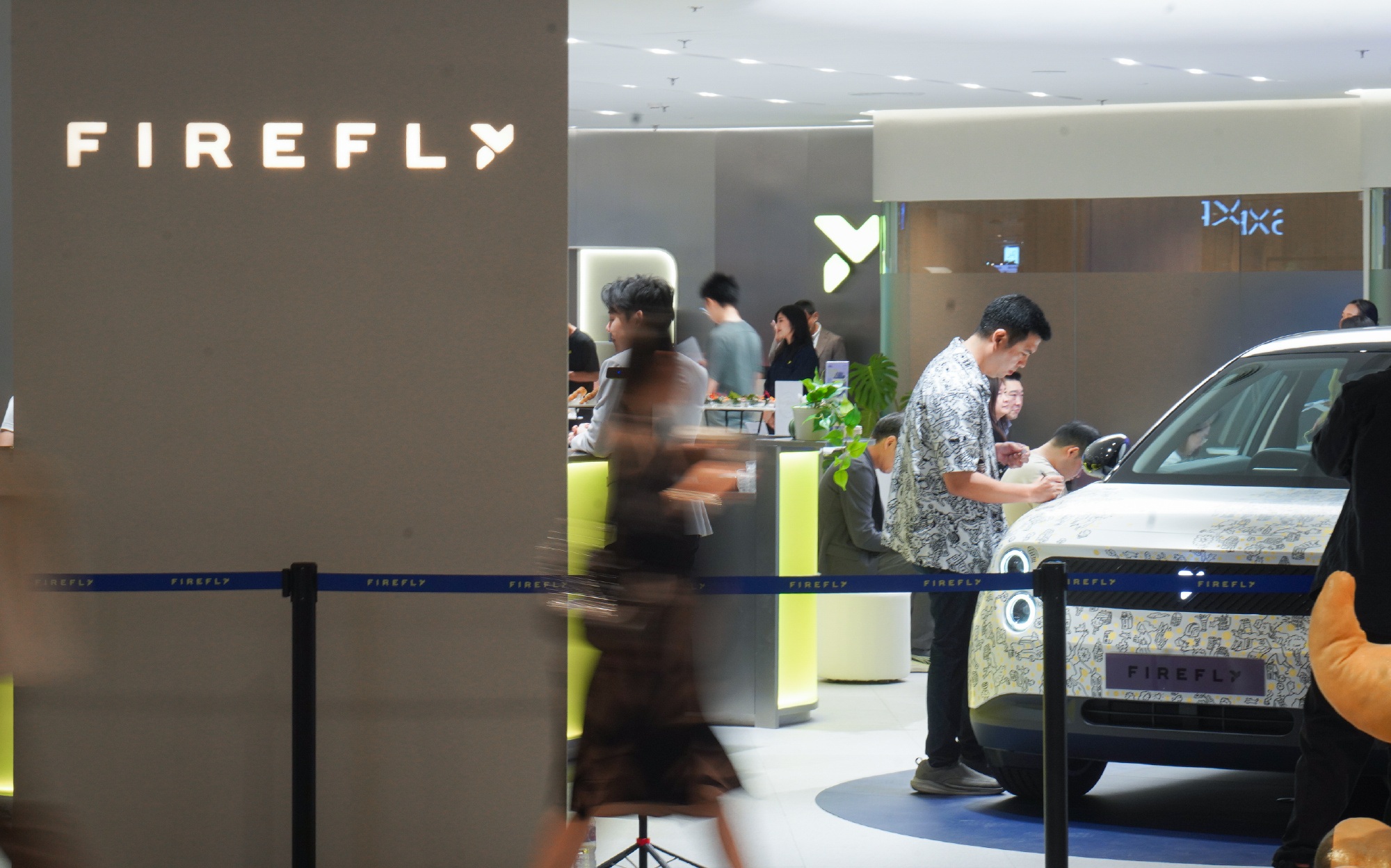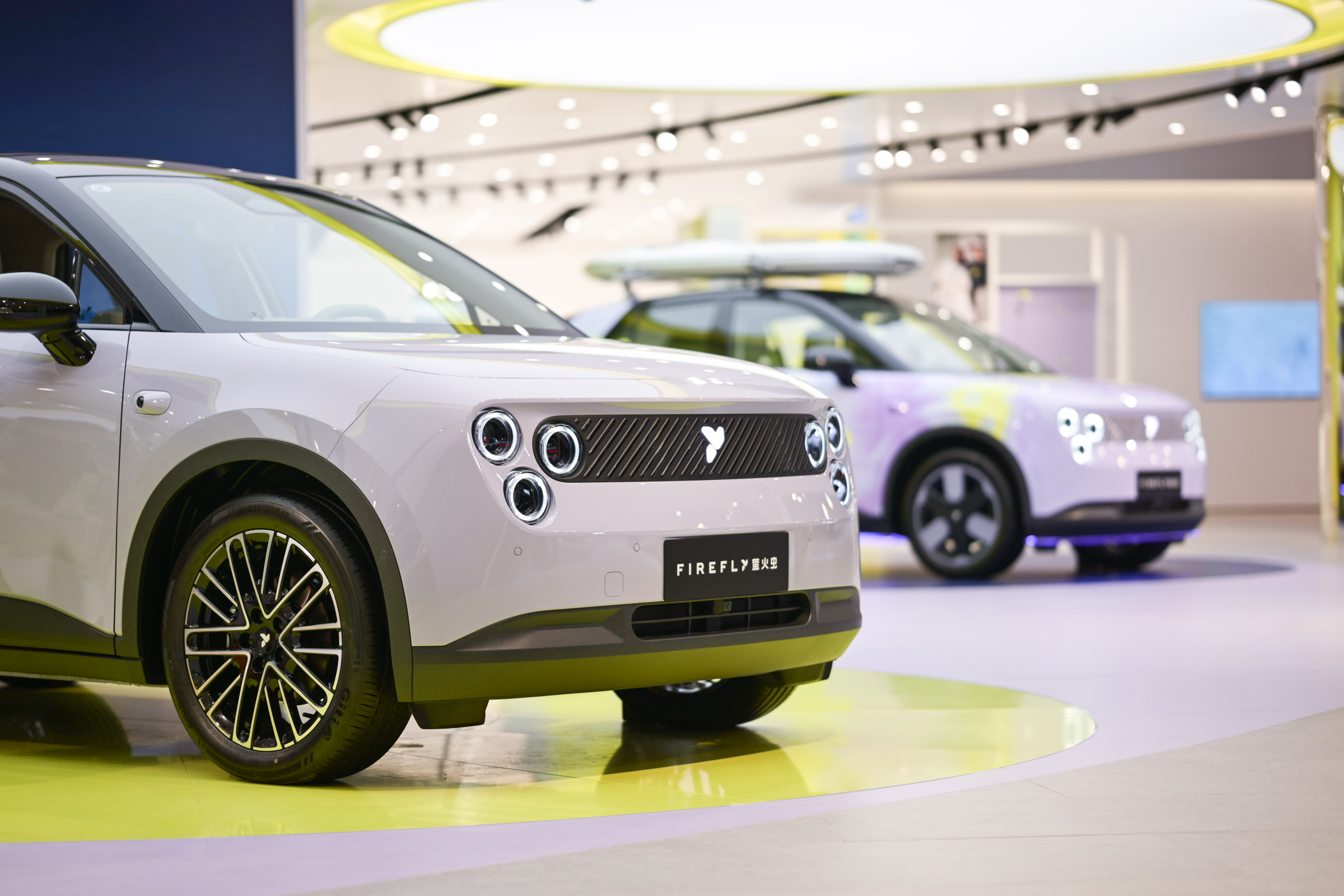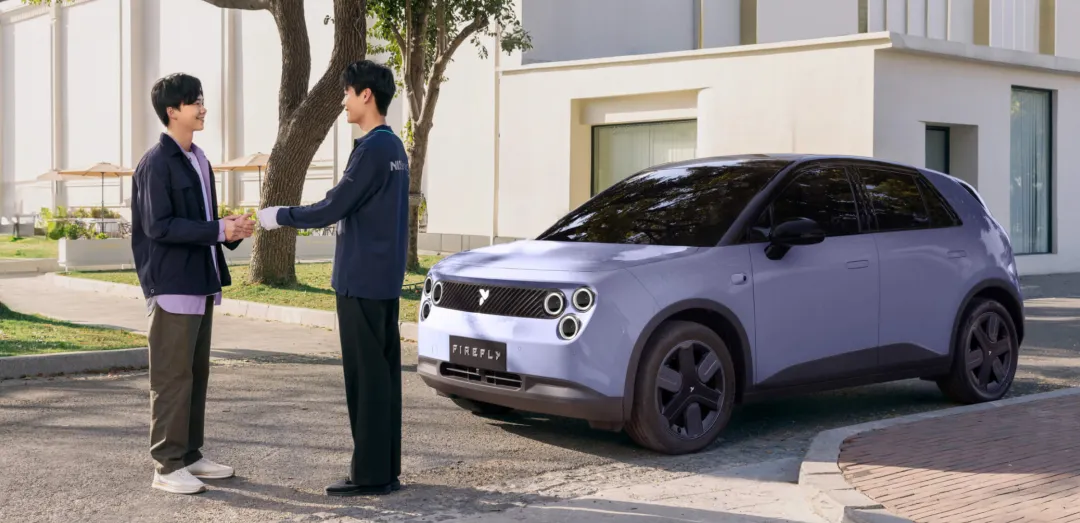
NIO Firefly breaks C-IASI records with 4G safety ratings, surpasses rivals, redefines A0-class small car safety, and plans global expansion.
On July 29, the latest results from the China Insurance Automotive Safety Index (C-IASI) were released, and NIO’s Firefly became a trending topic for allegedly “breaking safety records.”
Firefly achieved G or higher ratings across all four major evaluation categories, including one “G” and three “G+” scores.

According to NIO, this result earns Firefly the title of “top-scoring model” in C-IASI’s history (tied with ONVO L60 and AITO M9 for overall highest ratings).
Let’s take a look at which specific tests the Firefly excelled in.
Small Car Safety Comparable to SUVs
In the most consumer-focused category, “occupant protection,” achieving a “G+” requires scoring at least G in all 8 sub-tests.
According to NIO, Firefly showed impressive resilience: no bending in the A-pillar or roof after side impact, with a survival space of 25.5 cm—41.66% higher than the standard. It’s equipped with 9 airbags, and its side curtain airbags maintain pressure for over 22 seconds, four times longer than the C-NCAP requirement.
As a result, Firefly earned 8 “G” sub-scores, achieving a “G+” overall in this category.

The other two “G+” categories—pedestrian safety and active safety—reflect Firefly’s commitment to protection in low-speed scenarios and its advanced active safety tech despite being an A0-class compact car.
Its only “G” rating came in crashworthiness and repair economics—a category with only a 5.4% industry-wide excellence rate. Most competing vehicles receive “P” or “M” grades in this difficult category.
With a perfect “4G” result, Firefly became one of the rare all-around top performers in this C-IASI batch.
The only other “4G” models were ONVO L60 and AITO M9—a mid-size SUV and a mid-to-large-size SUV respectively, which naturally have structural advantages in crash testing.

Impressively, Firefly’s crash performance even surpassed larger models like Xiaomi SU7, Tesla Model 3, and Li MEGA. Considering its small size, calling it “one of the safest ever” isn’t an exaggeration.
Redefining Small Car Safety
Traditionally, safety isn’t associated with compact A0-class vehicles. Previous models tested by C-IASI generally had poor results.
For example, the Ora Good Cat (2022) only scored “A,” “A,” “G,” and “G.” During the 25% offset crash test, its A-pillar showed noticeable bending, and its “legs and knees” protection was rated “P.”

The reputation of A0-class cars as unsafe stems from design limitations—such as less than 60 cm of longitudinal space in the front compartment and under 25 cm from B-pillar to seat center, resulting in weak side impact absorption.
In response, NIO strengthened Firefly’s weak points: 83.4% of the white body uses high-strength steel and aluminum, reaching a torsional stiffness of 35,700 Nm/deg. It also features dual ultra-wide front crash beams to improve both energy absorption and pedestrian protection.

Although Firefly’s early reception was lukewarm, its consistent marketing efforts and monthly highlights have significantly exceeded expectations.
In May 2025 (first full delivery month), Firefly sold 3,680 units, beating smart #1 and BMW Mini.
In June, after announcing BaaS pricing, monthly sales rose 6.8% to 3,932 units.
As of mid-July, Firefly had already logged 1,800 new orders in just two weeks, a 59% weekly increase, even causing delivery delays of 3–4 weeks.
The cumulative delivery has now surpassed 10,000 units.
Backed by its C-IASI safety credentials, the “safest small car” label could further boost sales.
No wonder NIO’s Firefly brand marketing lead Pu Yang recently said that production capacity issues have been resolved and expects record deliveries in August.
Firefly also plans to expand overseas. As the “smallest model” in the NIO ecosystem, it may well become the “biggest dark horse” of the year.
Discover more from ChinaEVHome
Subscribe to get the latest posts sent to your email.