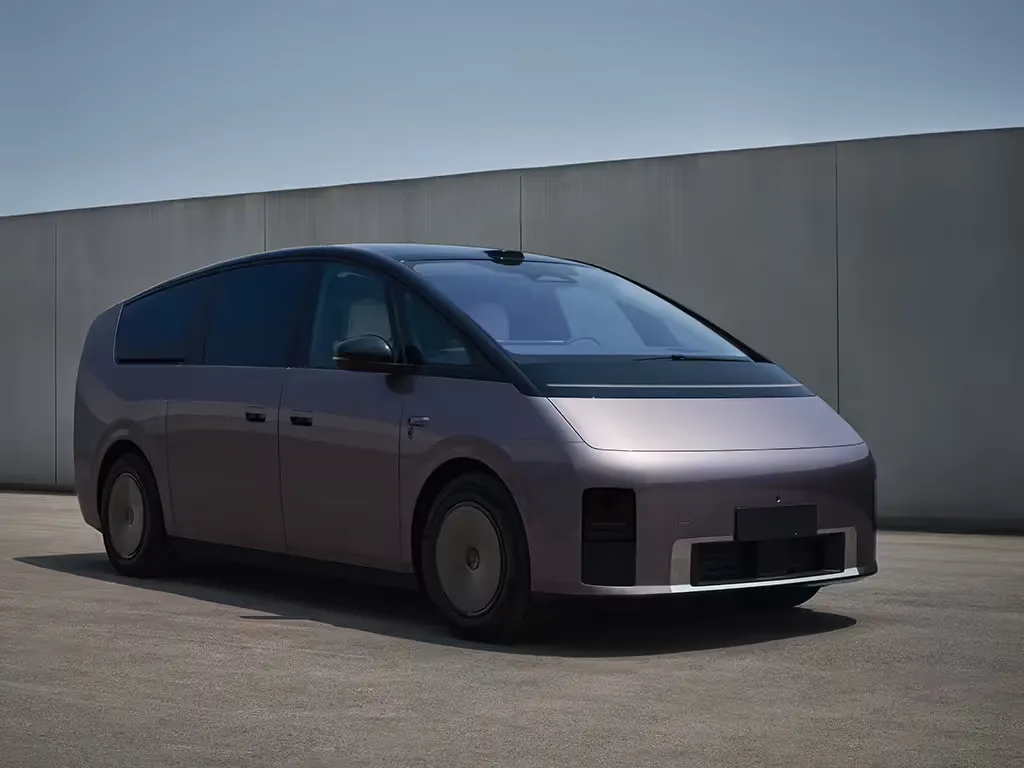
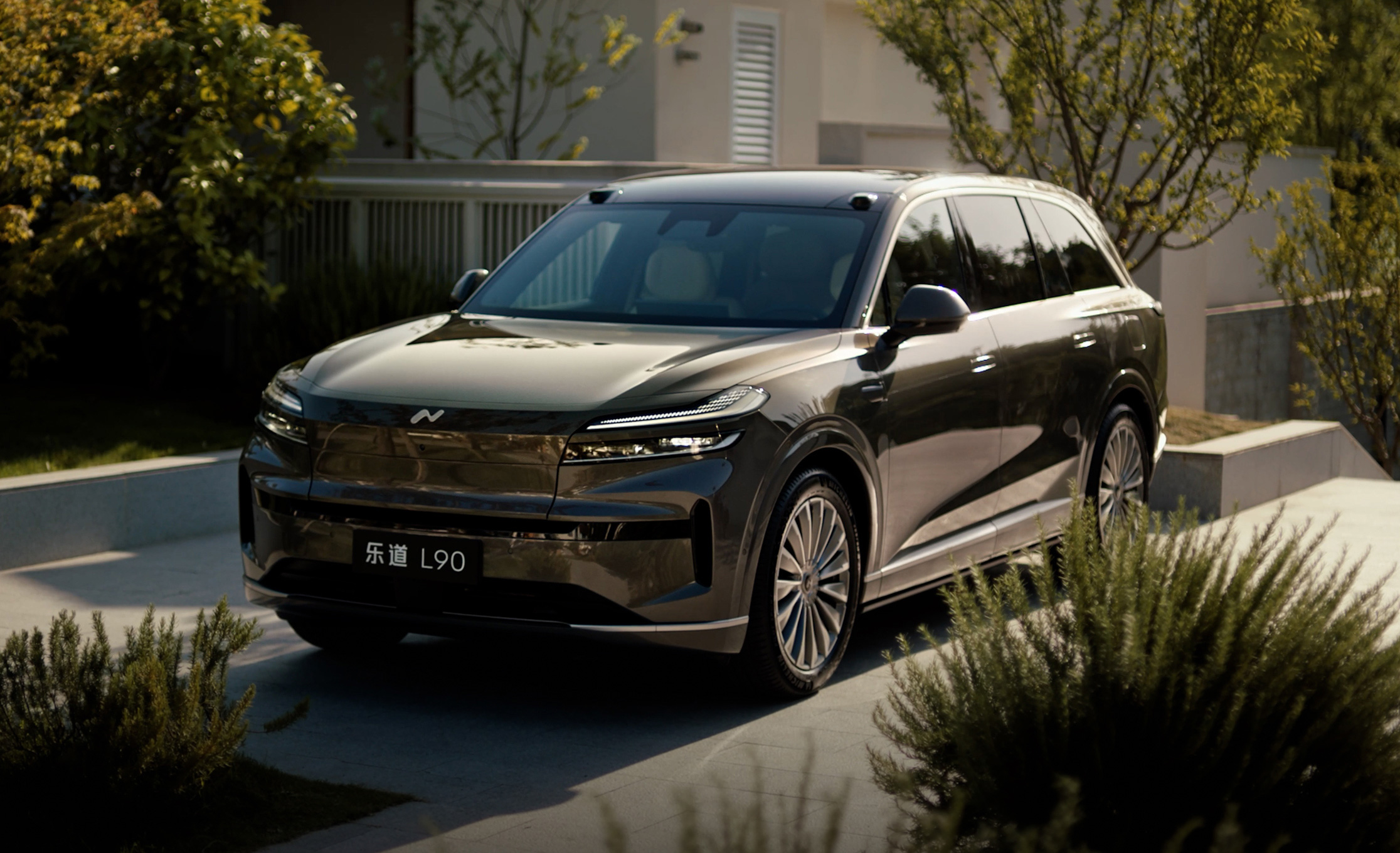
ONVO L90 challenges Li Auto i8 with spacious design, fast charging, smart features, and family-focused tech at competitive pricing.
On July 31, NIO’s second brand, ONVO, officially launched its second flagship SUV — the ONVO L90.
The L90 comes in both six- and seven-seat variants, each offered in Pro, Max, and Ultra trims. Starting price is ¥265,800 ($37,200), with BaaS (Battery-as-a-Service) pricing as low as ¥179,800 ($25,200).
Pricing Overview:
Six-Seater:
- Pro: ¥265,800 ($37,212) / BaaS: ¥179,800 ($25,172)
- Max: ¥279,800 ($39,172) / BaaS: ¥193,800 ($27,132)
- Ultra: ¥299,800 ($41,972) / BaaS: ¥213,800 ($29,932)

Seven-Seater:
- Pro: ¥271,800 ($38,052) / BaaS: ¥185,800 ($26,012)
- Max: ¥285,800 ($40,012) / BaaS: ¥199,800 ($27,972)
- Ultra: ¥299,800 ($41,972) / BaaS: ¥213,800 ($29,932)

All models come standard with an 85 kWh battery pack. Max trims add air suspension, ceiling-mounted screen, and luxury interior package. Ultra adds dual motors and zero-gravity executive seat.
The seven-seat version shares the same configuration as the six-seat version, but both are ¥6,000 ($840) more expensive. Even with optional add-ons like side steps and wheels, the ONVO L90 truly lives up to the promise of “fully equipped under ¥320,000” ($44,800). And with the BaaS battery subscription model, the L90 price drops further to as low as ¥180,000 ($25,200).
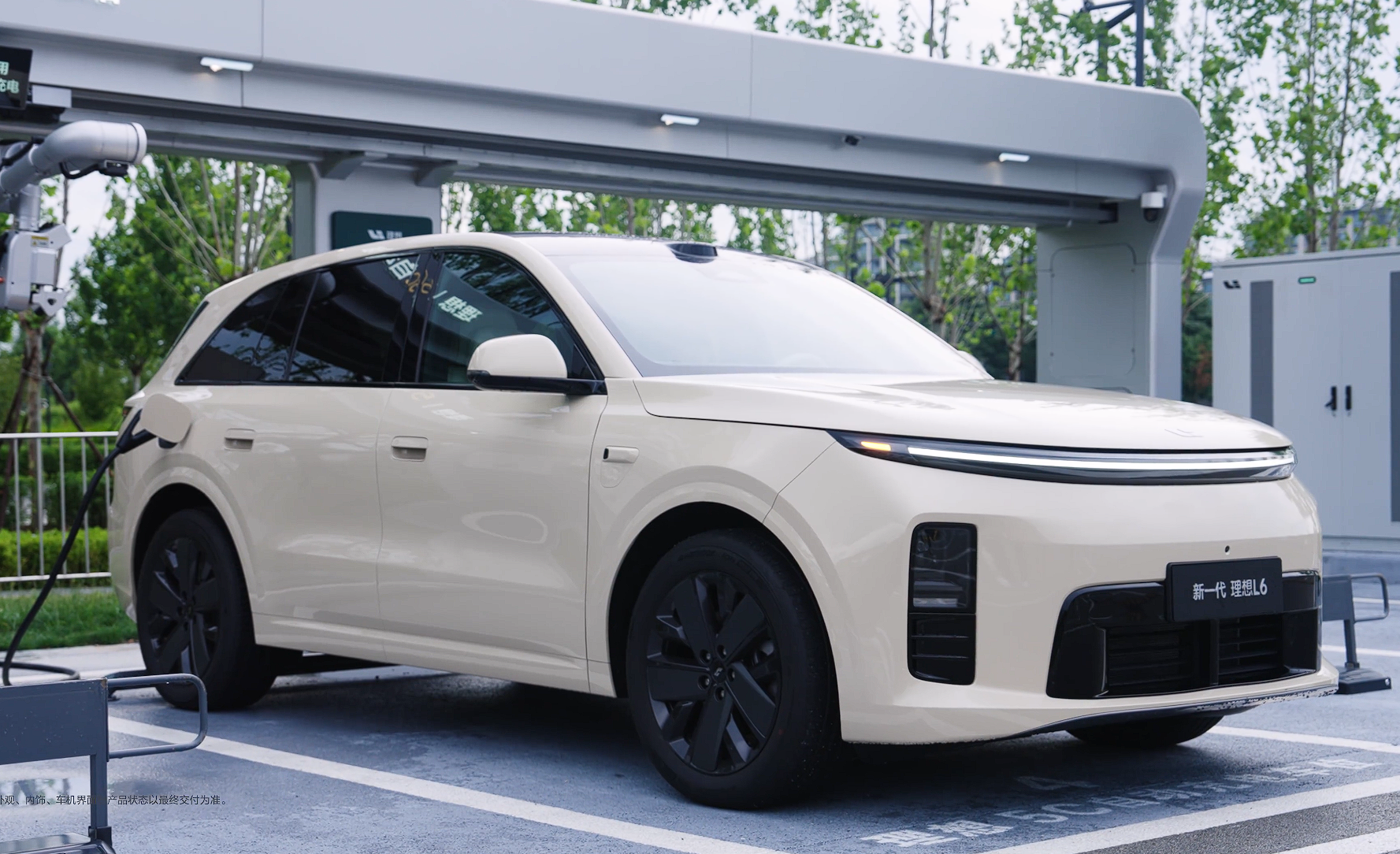
Compared to its direct rival — the Li Auto i8, which also targets families with a six-seat layout — the L90 enters the same price bracket and squarely challenges Li in space, charging, and smart tech.
So how competitive is the ONVO L90 really? Let’s take a quick look at the configurations of the two models.

The ONVO L90 measures 5145×1998×1766mm with a 3110mm wheelbase, longer and wider than the i8 (5085×1960×1740mm, wheelbase 3050mm). It features over 1-meter legroom in all rows, comfortably fitting passengers up to 185cm tall even in the third row.
Storage-wise, L90 includes a 240L powered front trunk (fits 2 carry-ons + 1 kid’s suitcase) and a 430L rear trunk, expandable to 1214L, accommodating 6 passengers + 10 suitcases.
The Li Auto i8 measures 5085×1960×1740mm with a wheelbase of 3050mm, making it noticeably smaller than the ONVO L90. In terms of space design, the i8 offers a spacious cabin for passengers, but when fully loaded with six people, the trunk can only fit five carry-on suitcases, and there is no front trunk (frunk) available.

The L90’s 85 kWh battery delivers CLTC range of 605 km with energy consumption at just 14.5 kWh/100 km. It supports NIO’s swap station network (3-minute swaps, 3400+ stations) and 10-minute ultra-fast charging up to 400 km — a big edge in recharging speed and convenience.
Li Auto i8 offers 90.1/97.8 kWh battery options with 670/720 km CLTC range. Based on the MEGA’s 5C architecture, it supports 400kW peak charging. Li Auto is deploying its own 3,000-station fast-charging network, also offering strong charging coverage.
Both top trims feature dual-motor AWD. The ONVO L90 produces 440kW and does 0–100 km/h in 4.7s. The i8 Pro delivers 400kW but is slightly quicker, at 4.5s.

ONVO L90 uses Orin-X (254 TOPS) to enable NOA in urban and highway scenarios. A major upgrade to end-to-end OSD smart driving is coming in 2025.
Li Auto i8 features both Horizon Journey 6M and NVIDIA Thor-U chips, totaling 828 TOPS. However, the i8 is equipped with a LiDAR sensor, which gives it a hardware advantage over the L90. It also features Li Auto’s VLA model supporting city NOA.

After comparing hardware specifications, let’s look at how the two models define interior space—revealing two different interpretations and answers from the two brands regarding what a “family-oriented electric SUV” should be.
The ONVO L90 is the first vehicle in the NIO ecosystem to truly embody the “refrigerator, TV, and big sofa” concept. It now comes equipped with a 17.3-inch second-row ceiling-mounted screen. The vehicle introduces an innovative four-screen interconnected setup: a 35-inch AR-HUD, a 17.2-inch central control screen, a 17.3-inch ceiling screen, and an 8-inch rear control screen. Combined with 23 Dolby Atmos speakers and direct Switch connectivity, it creates a true home entertainment environment.
Li Auto i8 opts for a wraparound layout with dual screens, a 13.35-inch HUD, second-row zero-gravity seat, 22 speakers, mini fridge, and folding tray tables.

This time, the L90 is available in both 6- and 7-seat versions. The 7-seat L90 maintains a 2-3-2 seating layout, with the second-row seats capable of two-stage folding. This creates a generous 670mm opening for easy access to the third row, while also providing a 280mm-wide armrest for second-row passengers.
The i8 currently offers only a 6-seat 2+2+2 layout with larger first-row recliners and a right-side zero-gravity seat in the second row.

The L90’s launch sparked strong consumer interest. On the night of launch, stores in multiple cities reported all-night lines for test drives.
By 11:38 PM, nearly 10,000 units were locked in, with some NIO stores in Shanghai staying open until 2 AM.
The stock market has also responded very positively to the strong sales of the L90. On the day following the new model’s launch, NIO’s Hong Kong-listed shares rose by 9.05% to HK$37.95 ($4.93), clearly reflecting investors’ optimism about the L90’s potential to drive NIO’s profitability in the fourth quarter.
ONVO’s L90 brings a 5.15-meter full-size electric SUV into the sub-¥200,000 ($28,000) range (with BaaS), making it NIO’s boldest move yet.
As a key piece in NIO’s 2025 strategy, the L90 could redefine value in the family EV segment. How do you view the pricing and competitiveness of the ONVO L90?
Discover more from ChinaEVHome
Subscribe to get the latest posts sent to your email.