ONVO L90’s first-month deliveries are expected to exceed 8,000 units, surpassing Xiaomi’s debut delivery record of 7,058 units.
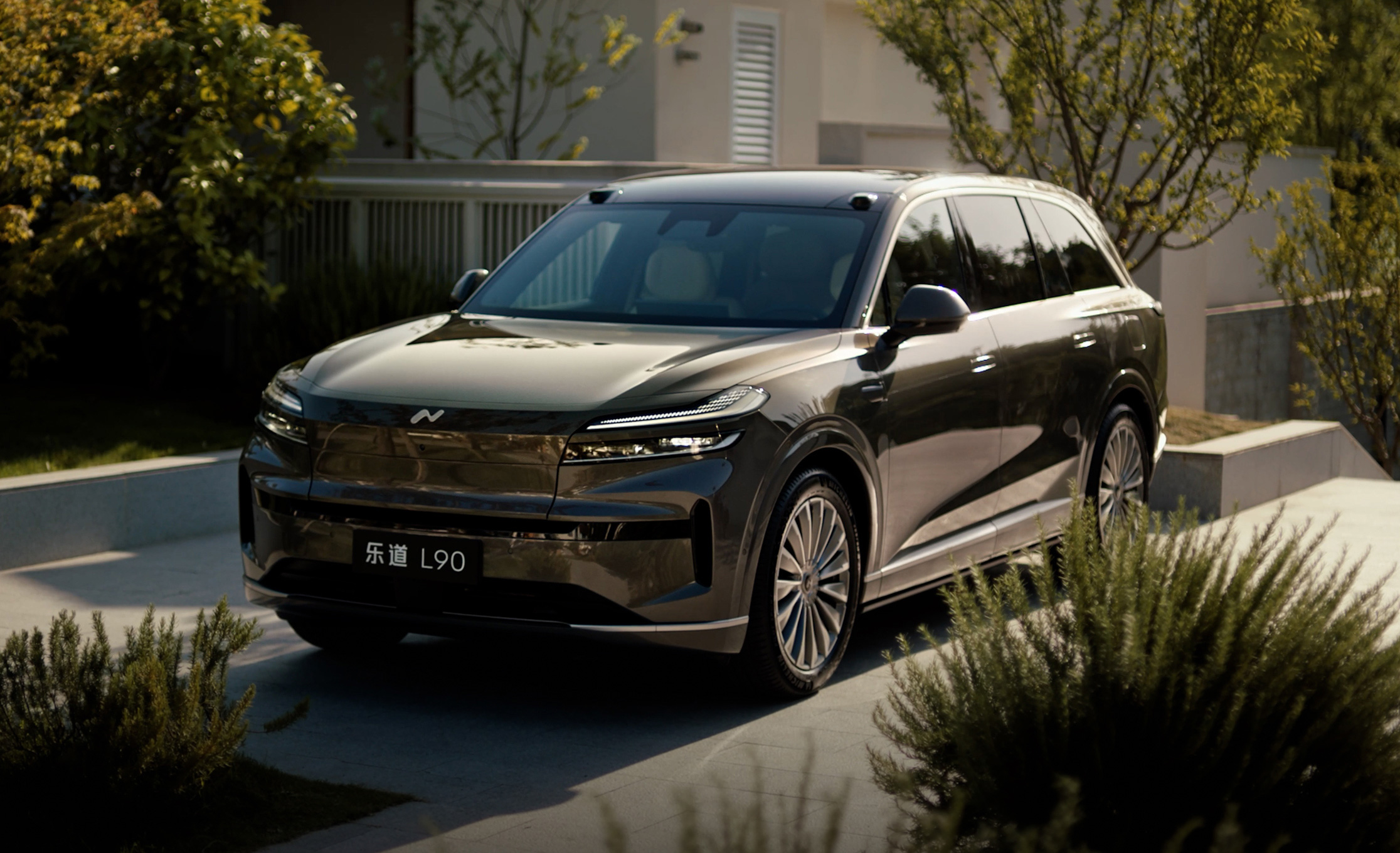
On July 31, NIO’s sub-brand ONVO launched its second model, the L90, with a starting price of ¥179,800 ($25,172) under the BaaS battery leasing plan—exceeding market expectations.
On the night of the launch, Xia Qinghua, general manager of NIO Shanghai Regional Company, shared on WeChat Moments: “After ten years with the company, I’ve seen our app slow down—but this is the first time our sales system has crashed. ONVO L90 is truly on fire.”

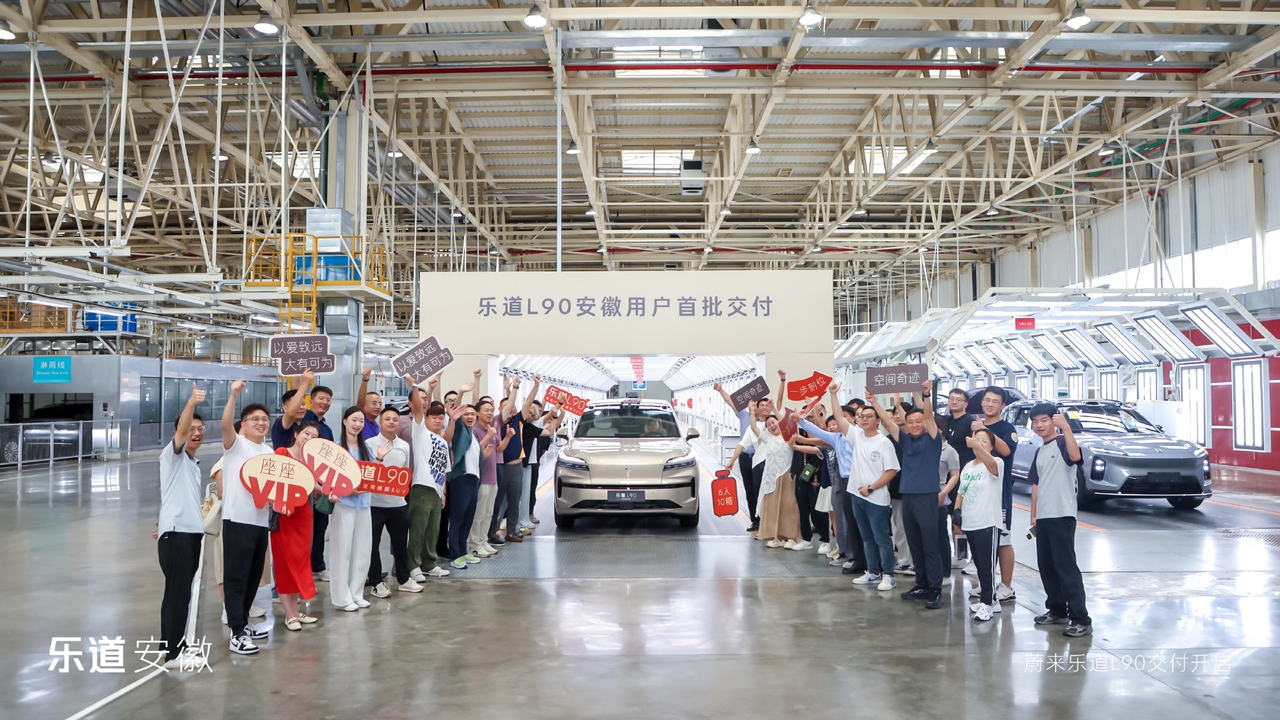
The following day, ONVO began simultaneous deliveries in 44 cities across China. Thanks to its competitive pricing and a seamless launch-to-delivery strategy, the L90 rapidly captured consumer enthusiasm. Within just three days, the first batch and the full August production run had sold out. By August 3, some users reported that new orders placed as early as that day would have to wait until September for delivery.
Before the L90’s official launch, NIO CEO William Li had already shared in a user chat group that first-month deliveries were projected to surpass 8,000 units, breaking Xiaomi’s record of 7,058 deliveries for its first NEV.
Based on earlier leaks that ONVO had stockpiled around 10,000 vehicles ahead of launch, it’s now clear that most of the inventory has been absorbed—far faster than expected.

The strong sales performance of the L90 is not only disrupting the pure electric SUV segment but also increasing competitive pressure on both hybrid and internal combustion models.
Li Auto’s i8 is bearing the brunt. With a starting price of ¥321,800 ($45,052), it’s ¥22,000 ($3,080) more expensive than the ONVO L90’s top trim, yet struggles to offer meaningful advantages in charging efficiency or interior space.
Traditional fuel-powered SUVs are feeling the heat as well. The Toyota Highlander, once a benchmark for three-row ICE SUVs, now falls short against the L90 in both energy cost and smart technology. Meanwhile, the Ford Edge L, even after discounts bringing its price to ¥185,000 ($25,900), has a real-world hybrid fuel consumption of 7.5L/100km—making operating costs much higher than the all-electric L90.
Data shows that mid-to-large pure electric SUVs priced between ¥200,000–¥300,000 ($28,000–$42,000) account for only 11.7% of China’s NEV market and just 5.9% of the overall auto market. In a segment with limited total capacity, the entry of the ONVO L90 is set to accelerate changes in this competitive landscape.
Discover more from ChinaEVHome
Subscribe to get the latest posts sent to your email.