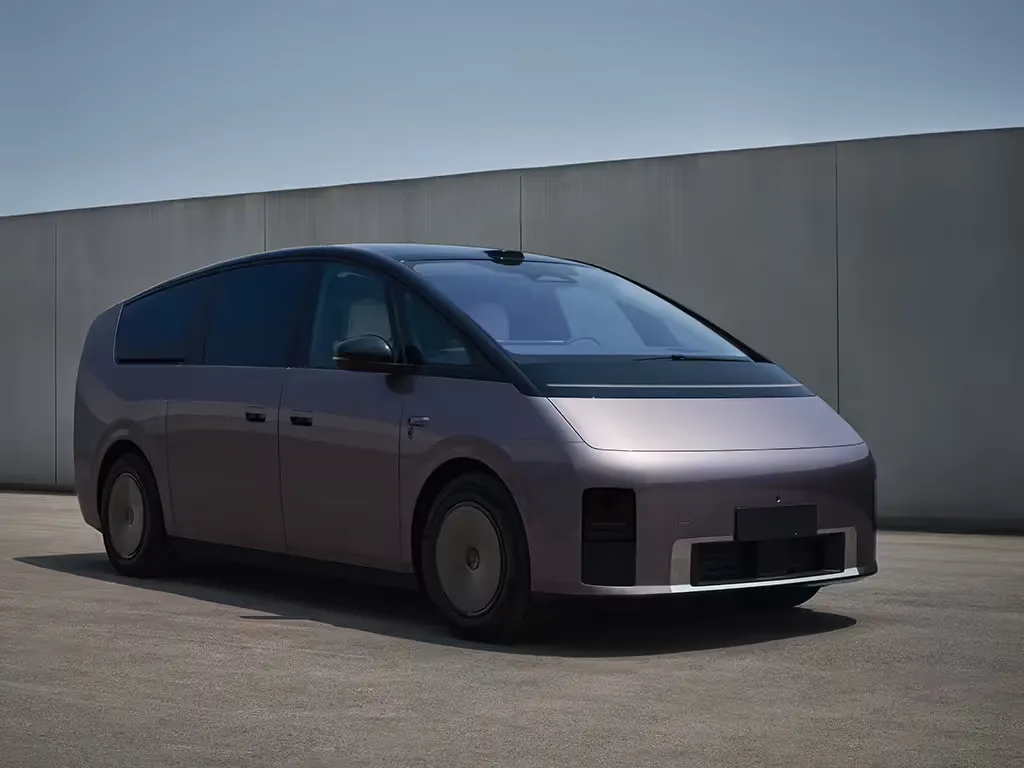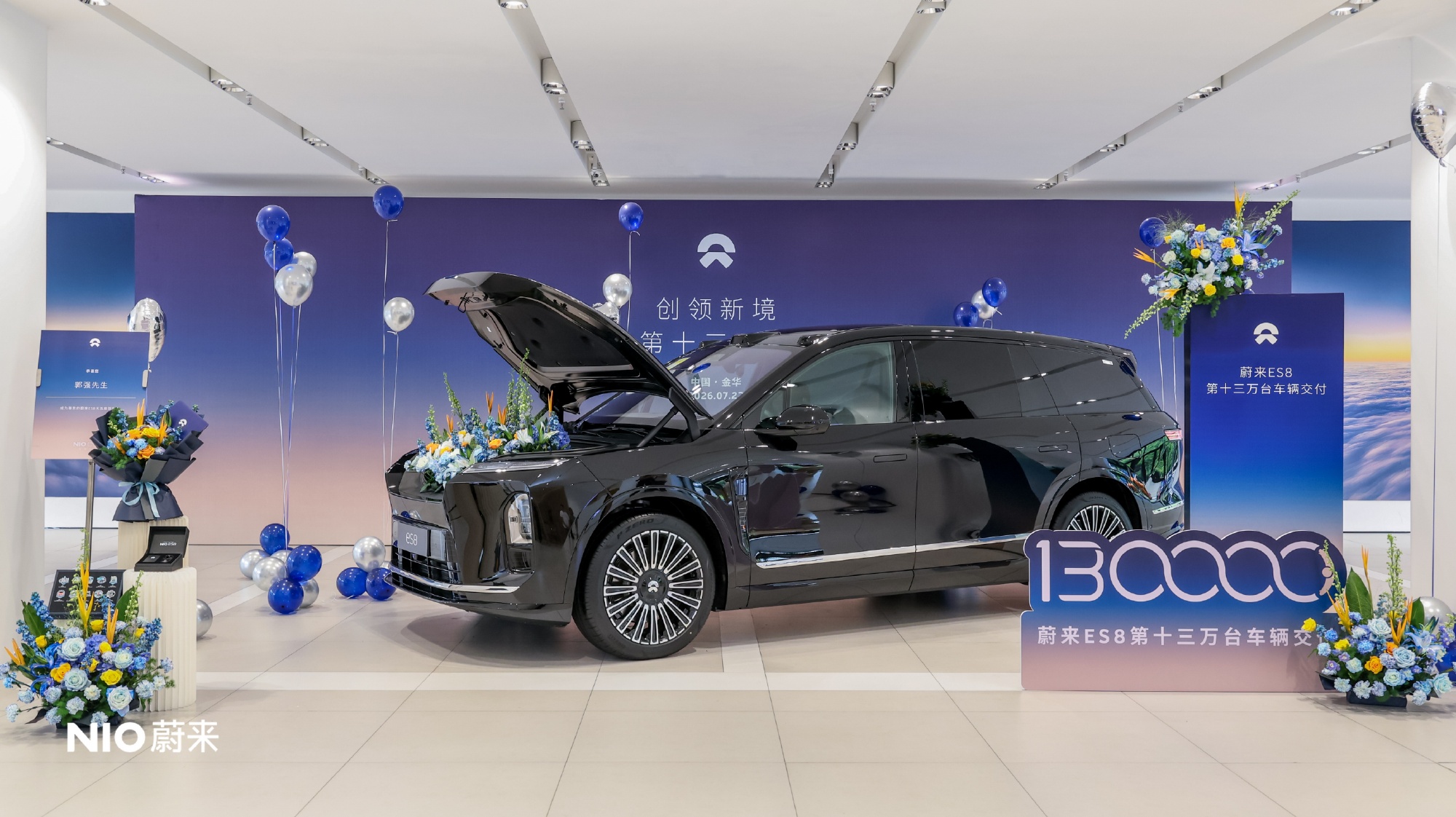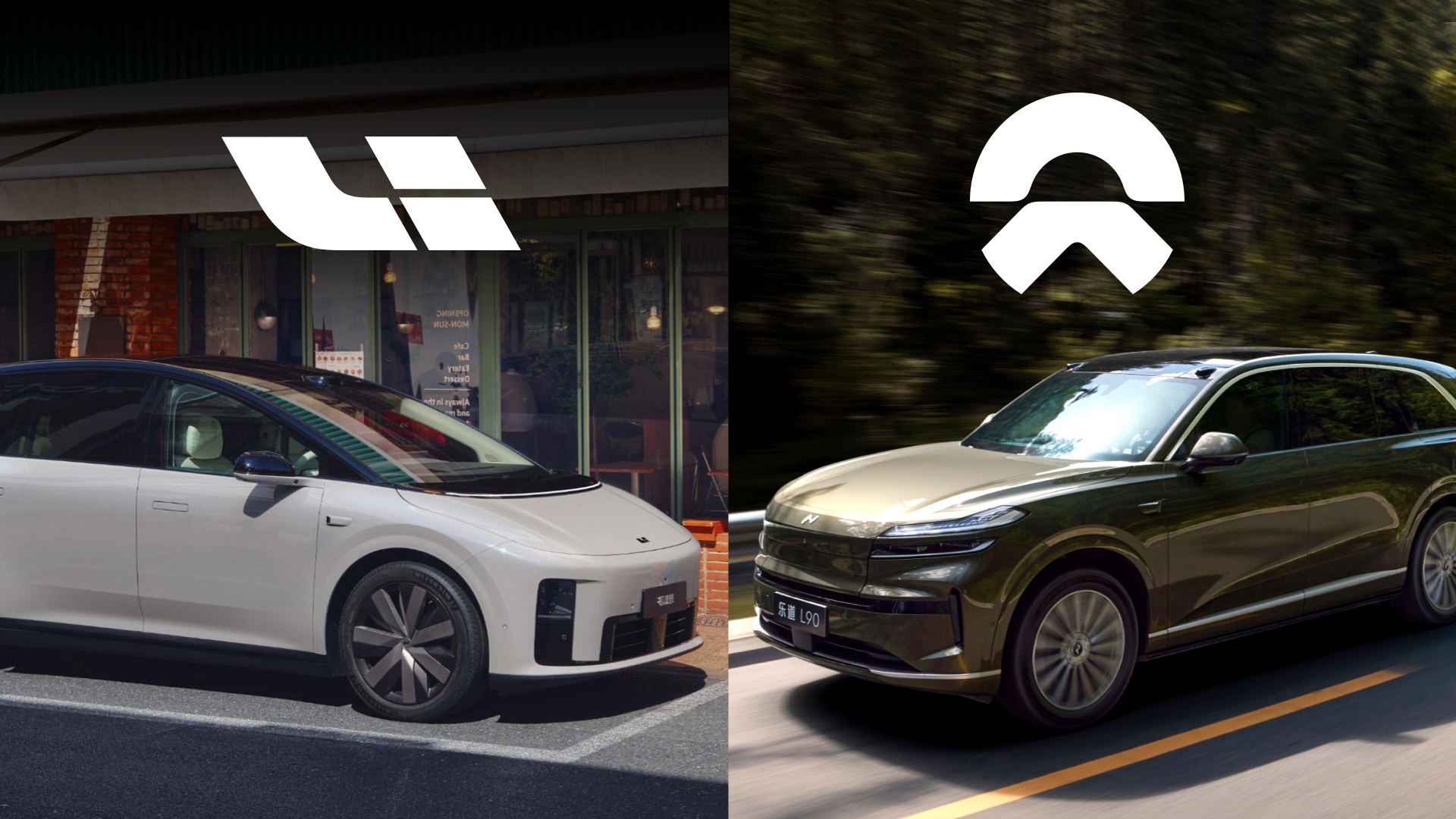
Li Auto and NIO are caught in a wave of public backlash, as brand-on-brand mudslinging in China’s EV space is starting to go too far.
In recent days, videos of so-called “uncivilized” behavior by Li Auto owners have gone viral across Chinese social media platforms.
Overnight, mainstream channels like short-video apps, Weibo, and RedNote have been flooded with content criticizing Li Auto owners for poor manners and aggressive parking.

One viral joke circulating online asked: In a parking lot with 200 spaces, how many Li Auto vehicles can fit? The punchline: two—one blocking the exit and another blocking the entrance. This tongue-in-cheek remark reflects a broader dismissal of the brand’s user base and has fueled an increasingly unified wave of “reputation siege” across numerous online communities.

On August 6, “@老汤哥Tango,” the head of Li Auto’s product line, posted on Weibo with a screenshot from a freelance job group chat, in which group members were reportedly being paid to collect and amplify negative behaviors attributed to Li Auto owners, with coordinated messaging clearly aimed at stirring up public sentiment.

Coincidentally, around the same time, another screenshot surfaced online showing a similar group chat targeting NIO—with nearly identical content, except the brand name was swapped.

These revelations triggered a flood of suspicion: Are Li Auto and NIO smearing each other? Or is a third party deliberately stoking the fire and manipulating the narrative behind the scenes?
Previously, the two companies had already clashed online over the launch timing of their respective i8 and L90 models. Now, with nearly simultaneous reputation battles underway, suspicions naturally deepen.
It’s undeniable that as China’s two most talked-about emerging automakers, Li Auto and NIO are locked in fierce competition. Yet whoever chooses to engage in “black PR” tactics is demonstrating extreme shortsightedness.

When online mudslinging devolves into targeting the user base—stigmatizing entire communities of customers—the ones hurt the most are not the companies, but the users themselves.
People just want to drive their cars. Instead, they find themselves labeled and ridiculed in the public sphere. In the long run, once such stereotypes take root, restoring a brand’s image could require ten or even a hundred times the effort.
More importantly, this “black PR” competition drags down the industry standard, turning what should be healthy competition in technology and service into emotional manipulation and clickbait-driven feuds. For the industry at large, it’s nothing less than poison.
China’s EV makers have come a long way in the past decade—laying hard-earned foundations in technology and product development. As the industry stands on the brink of maturity, it must remain vigilant against “media manipulation” that could betray its original mission.
Discover more from ChinaEVHome
Subscribe to get the latest posts sent to your email.