In some pilot projects, the new framework has been referred to as ‘HI Plus,’ which differs from the ‘Smart Selection’ pathway where Huawei leads brand marketing.
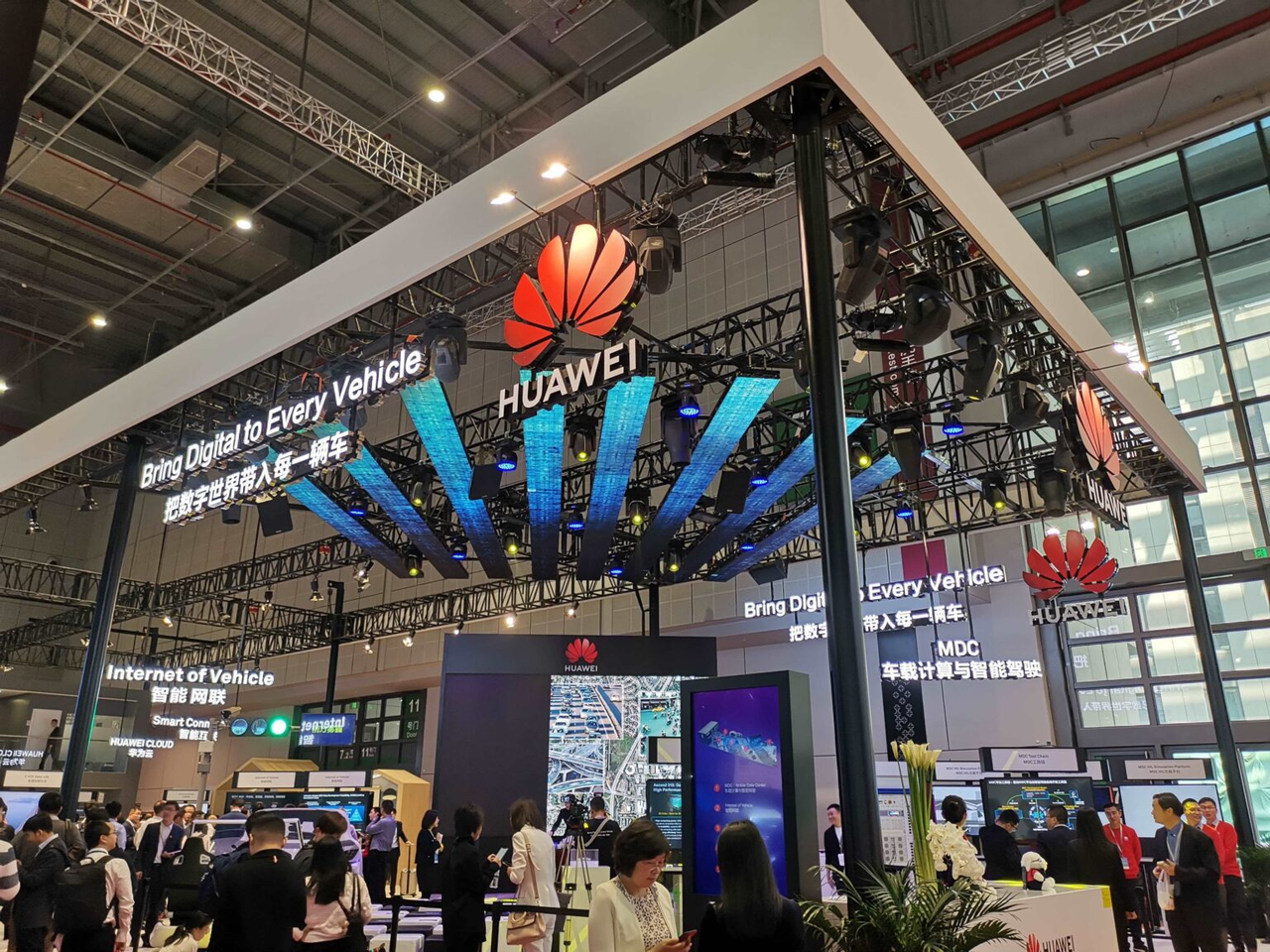
Chinese media reported that Huawei will formally introduce a new cooperation framework with automakers later this year. The model differs both from the “Huawei Inside (HI)” full-stack supplier approach and from the “Smart Selection” pathway, where Huawei played a dominant role in branding and marketing.
The upcoming framework emphasizes “automaker-led, Huawei-deeply engaged,” aiming to establish a new paradigm for collaboration across the smart vehicle value chain.
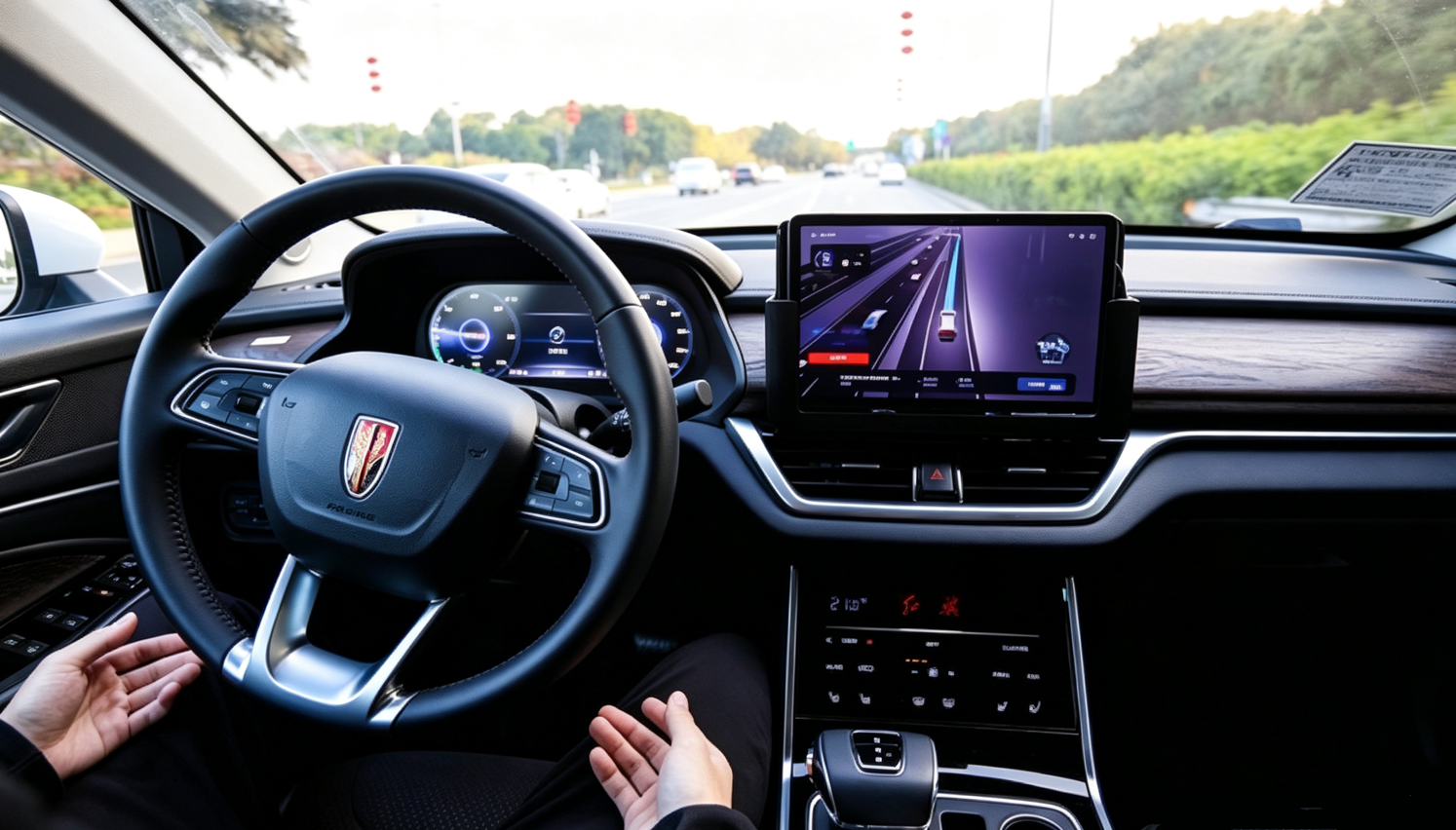
According to sources, the model has been referred to in pilot projects as “HI Plus.” A notable example is the Dongfeng M817, an off-road SUV under Dongfeng’s M-Hero brand, which integrates Huawei’s ADS 4system and HarmonyOS 5 cockpit. The model has been described as the “most Huawei-integrated” off-road vehicle to date.

However, because Huawei joined the project relatively late, the M817 is considered more of a transitional product between the HI model and the new cooperation scheme. For future vehicles under the Dongfeng M-Hero brand, Huawei is expected to be involved from the earliest stages of R&D, moving toward a new phase of “co-defined” product development.
Executives at partner automakers have likened this approach to “chemical fusion,” contrasting it with the previous “physical assembly” model of modular integration.
Within GAC Group, the framework has even been characterized as a “dual-core model” of “GAC Manufacturing + Huawei Intelligence,” described internally as a new form of deep empowerment.
Another industry insider noted that the biggest distinction from the Smart Selection path lies in distribution: vehicles will not be sold through Huawei retail stores, though most other elements remain similar.

Behind this shift is a restructuring of Huawei’s automotive business. Earlier this year, Huawei’s Intelligent Automotive Solution BU was merged into Shenzhen Yinwang Intelligent Technology Co., Ltd.
Automakers Avatr and Seres (developer of the AITO brand) have each invested RMB 11.5 billion ($1.60 billion) in Yinwang, which is evolving from a traditional Tier-1 supplier into a platform that integrates Huawei’s ADS and HarmonyOS modules. The platform has been described by analysts as an “operating system” for the auto industry.
The Huawei-backed Harmony Intelligent Mobility Alliance (HIMA) announced yesterday that cumulative deliveries surpassed 900,000 units as of end-August.
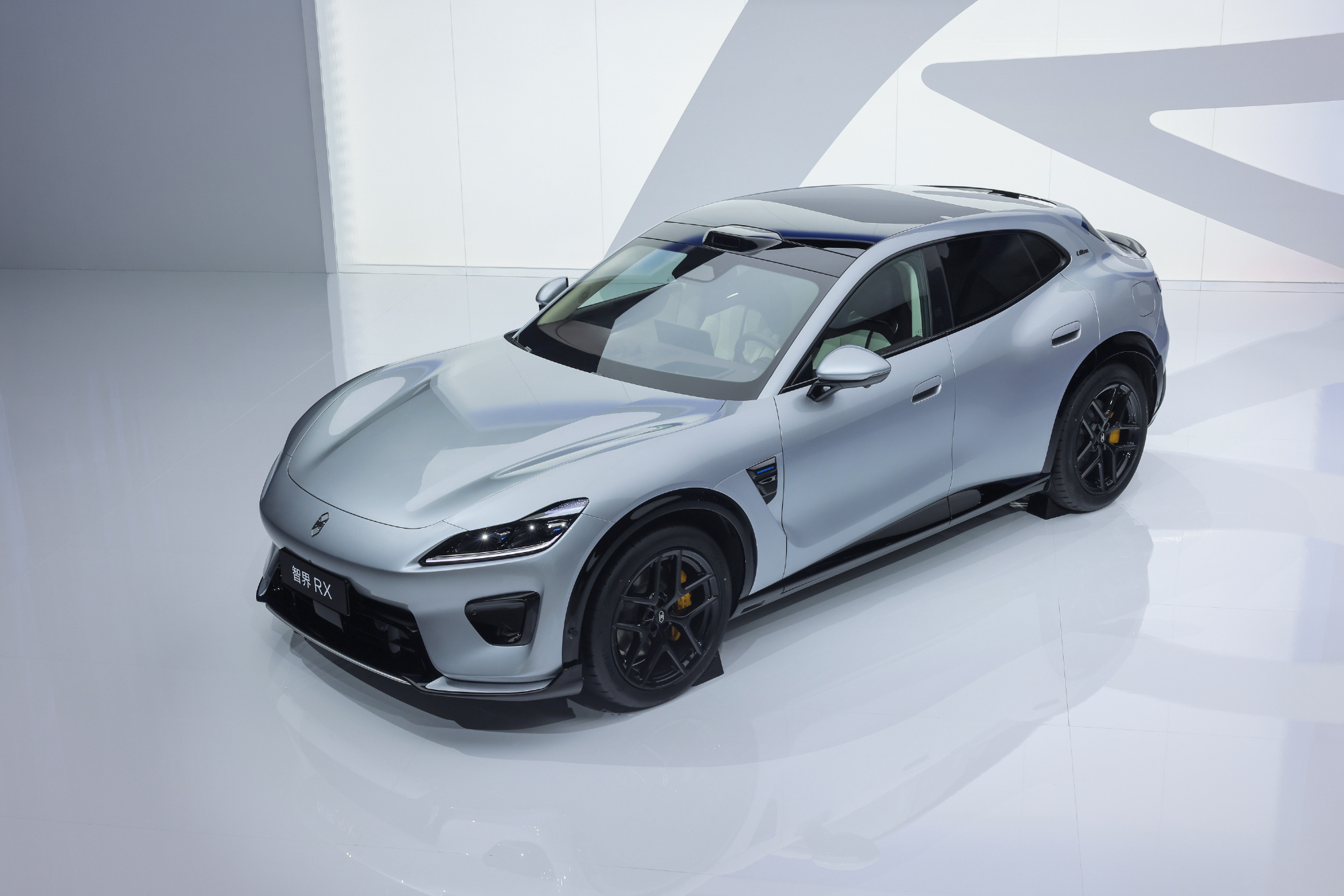
Yet sales performance has varied widely across models: the LUXEED S7 and R7, STELATO S9, and Avatr 06 and 12 have underperformed under the current framework.
While Huawei’s technologies and ecosystem remain strong, the ultimate success of these vehicles depends on brand positioning, market timing, and product differentiation—challenges that the new cooperation model is designed to address.
Discover more from ChinaEVHome
Subscribe to get the latest posts sent to your email.