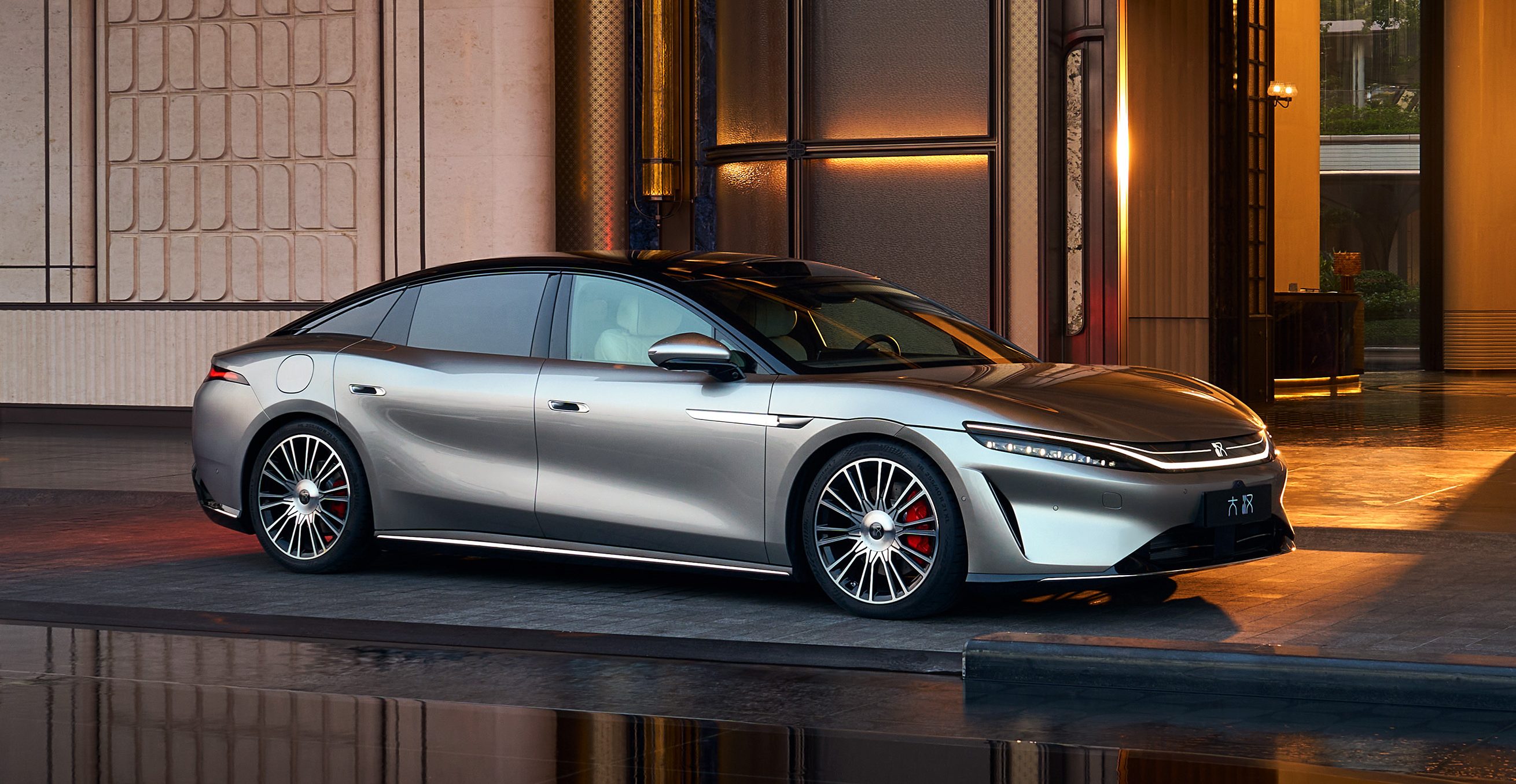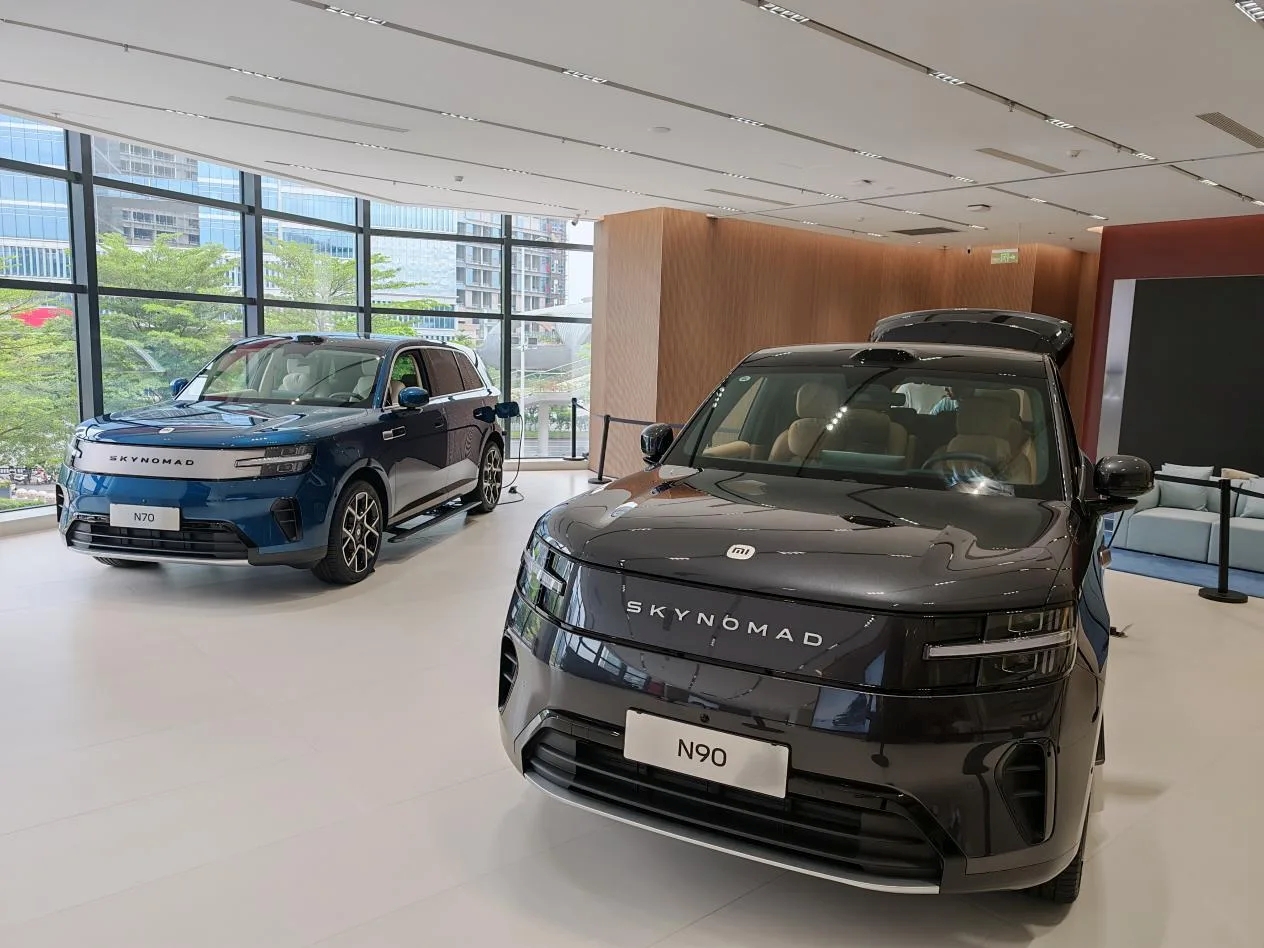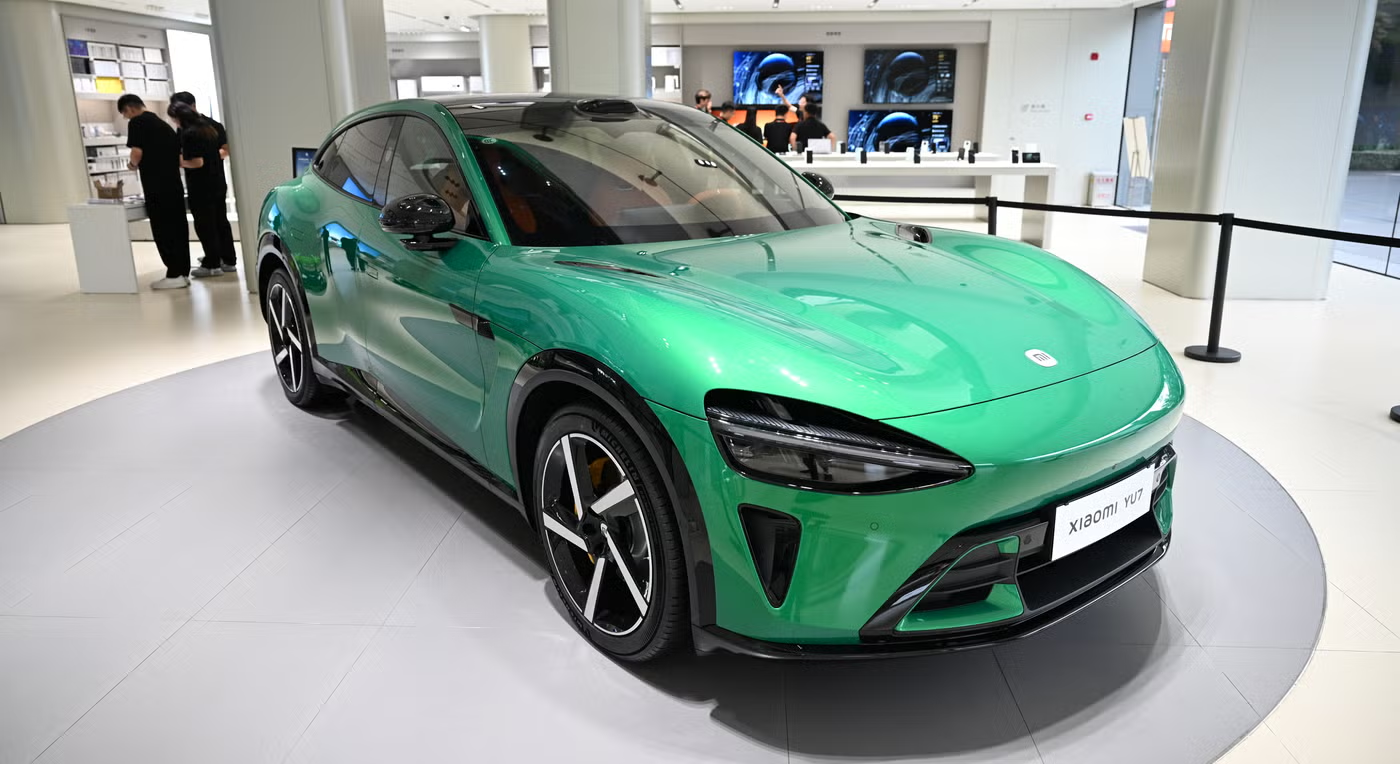
Xiaomi YU7 (99.4%), Denza N9 (91.6%), and Buick GL8 (92.6%) ranked first among NEV makers, self-owned brands, and joint venture & luxury brands respectively in one-year value retention rates.
China’s automotive data analytics firm WAYS released its report on popular new energy vehicle (NEV) retention rates for the third quarter of 2025, showing widening divergence among emerging EV brands in the used-car market.
Xiaomi Auto stood out as the biggest winner, driven by the strong resale performance of its YU7 and SU7 models.
Among the NEV startups, Xiaomi’s YU7 ranked first with a one-year value retention rate of 99.4%, becoming the most value-stable model of the quarter.

It was followed by the Aito M8 (97.2%) and Li Auto MEGA (95.5%), while Xiaomi’s SU7 (94.8%) and Aito M9 (93.2%) rounded out the top five.
The report noted that value retention among EV startups is increasingly concentrated among leading players.
Xiaomi’s strong performance reflects not only the company’s technological maturity in smart electric platforms but also its growing brand reputation and consumer trust in the market.
In the self-owned brand category, BYD’s Denza N9 led with a one-year retention rate of 91.6%, followed by SAIC’s MG4 EV (90.8%), Great Wall’s Tank 500 (90.2%) and Tank 300 New Energy (90.0%).

Analysts said Chinese automakers are forming a “winner-takes-all” pattern in key segments, with Great Wall strengthening brand identity and residual values through its off-road product positioning.
Joint venture and luxury brands showed a more uneven picture as some continue to face challenges in the transition toward electrification.

Buick’s GL8 New Energy topped this category with a 92.6% one-year retention rate, followed by the Dongfeng Honda e:NS3X (89.4%), Nissan N7 (87.4%) and Toyota bZ5 (84.0%).
Overall, traditional brands such as Buick, Toyota, and Nissan are improving residual values through deeper integration with local supply chains and faster adoption of electrification and intelligent technologies.
From a segment perspective, MPVs continued to hold the highest three-year retention rate at 61.6%, followed by mid-to-large SUVs (56.5%), small SUVs (54.7%), and compact cars (54.3%).

The Q3 used-car market saw a rebound in prices, supported by local policy adjustments and nationwide trade-in incentives, while some model updates also drove value recovery.
Analysts noted that NEV value retention has become a key indicator of a brand’s overall competitiveness, reflecting both product quality and long-term market confidence.
Discover more from ChinaEVHome
Subscribe to get the latest posts sent to your email.