This move marks NIO’s second European market, after Denmark, where its power swap stations have been integrated into the national grid’s frequency regulation system.
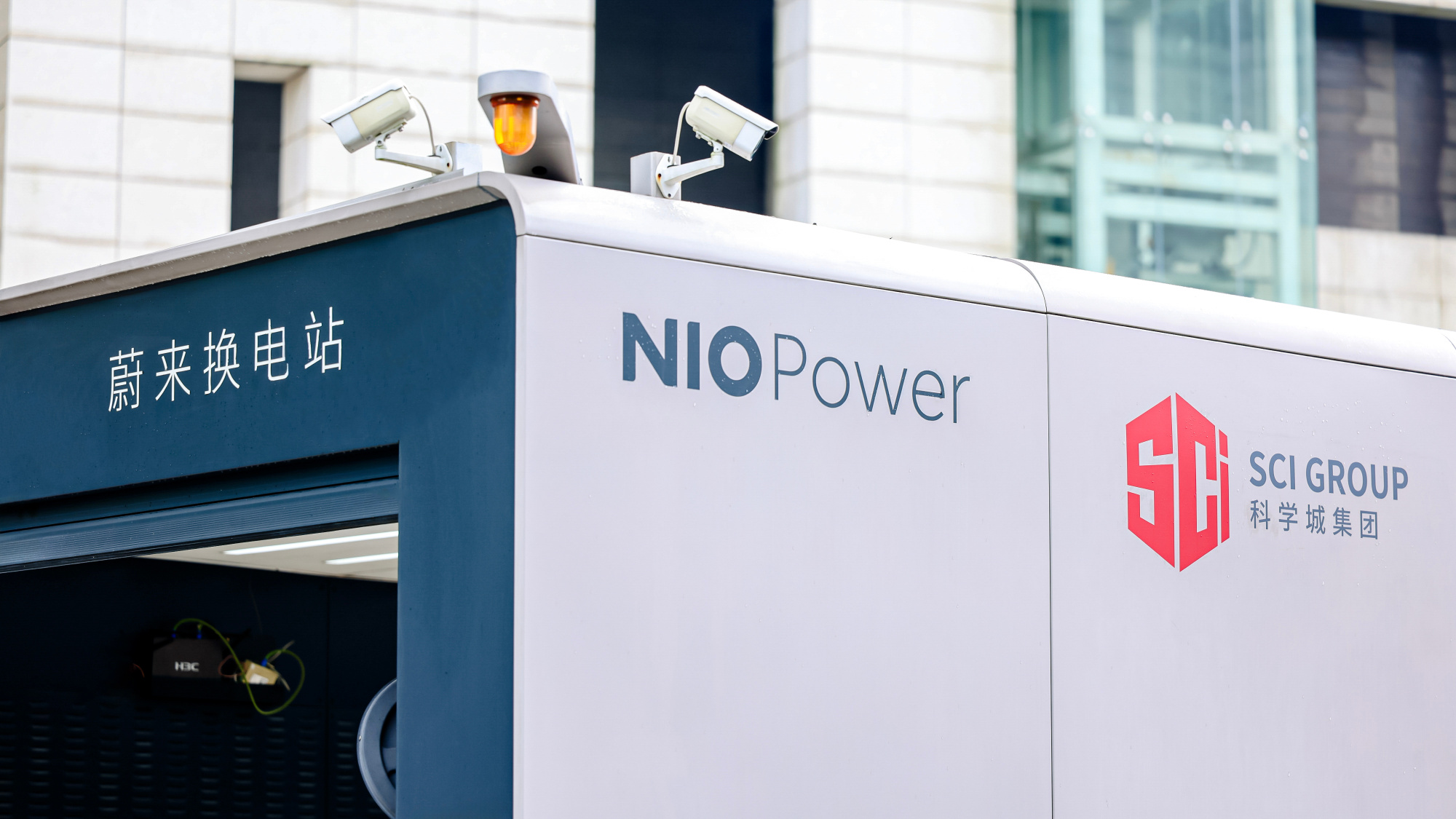
On November 11, NIO Sweden announced that its power swap stations have received official approval from Svenska kraftnät, the Swedish national grid operator, to participate in the country’s frequency regulation system (FCR-D).
The move enables NIO’s power-swap facilities to serve not only as battery replacement infrastructure but also as distributed energy storage assets supporting grid stability.
The milestone marks NIO’s second grid integration project in Europe following Denmark. According to the company, its swap stations will be able to feed power back to the grid during peak demand and store renewable energy during off-peak hours, helping balance electricity load and enhance overall system resilience.
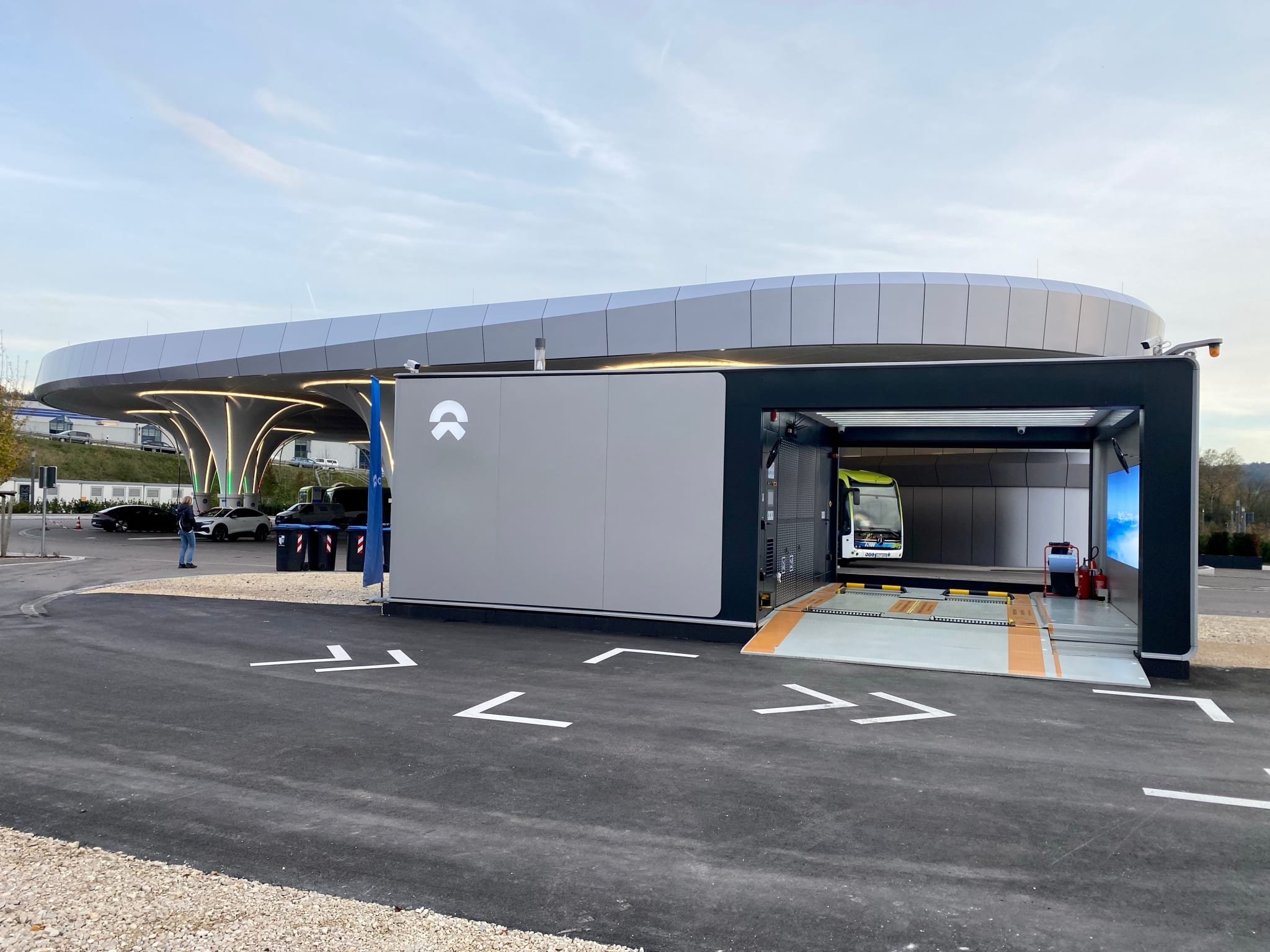
NIO currently operates 60 power swap stations across Europe, including eight in Sweden. In China, the company has built 3,563 power swap stations.

Kajsa Ivansson Sognefur, Head of NIO Energy Europe, said the approval represents “a significant step forward,” underscoring how intelligent EV infrastructure can now play a meaningful role within national energy systems.
Since 2021, NIO has accelerated its European energy and swap network expansion, entering Norway, Germany, the Netherlands, Denmark, and Sweden. The company aims to build a total of 1,000 swap stations outside China by the end of 2025.

Sweden is also the first European country to deploy NIO’s third-generation swap stations, which went into operation in 2023.
Compared with the second-generation model, the new version increases service capacity by 30%, shortens swap time by 20%, boosts maximum daily swaps to 408, and expands battery slots to 21.
In addition to the swap network, NIO has launched a “flexible battery upgrade” program in Europe, allowing Battery-as-a-Service (BaaS) users to temporarily upgrade to higher-capacity packs for long-distance travel.
Discover more from ChinaEVHome
Subscribe to get the latest posts sent to your email.