Xiaomi’s upcoming vehicle lineup includes the YU9 SUV, high-performance YU7 GT, and SU7 L, slated to debut between the end of this year and early next year.
On December 9, Sina Auto revealed Xiaomi’s upcoming model roadmap, including the flagship family SUV YU9, the high-performance SUV YU7 GT, and the long-wheelbase luxury sedan SU7 L.
The first model, the YU9, is positioned as Xiaomi’s flagship family SUV. Internally codenamed “Kunlun,” the model has surfaced multiple times within the industry.
The vehicle is expected to stretch beyond 5.2 meters in length and offer six- or seven-seat configurations, paired with an extended-range powertrain designed for long-distance travel scenarios.

The team led by Xiaomi CEO Lei Jun previously conducted cold-weather and endurance testing of the YU9 in the Pamir Plateau, signaling that the model is approaching its market debut.
For Xiaomi, the YU9 is the key step in expanding from a single blockbuster model to a broader foothold in the mainstream family-car segment.
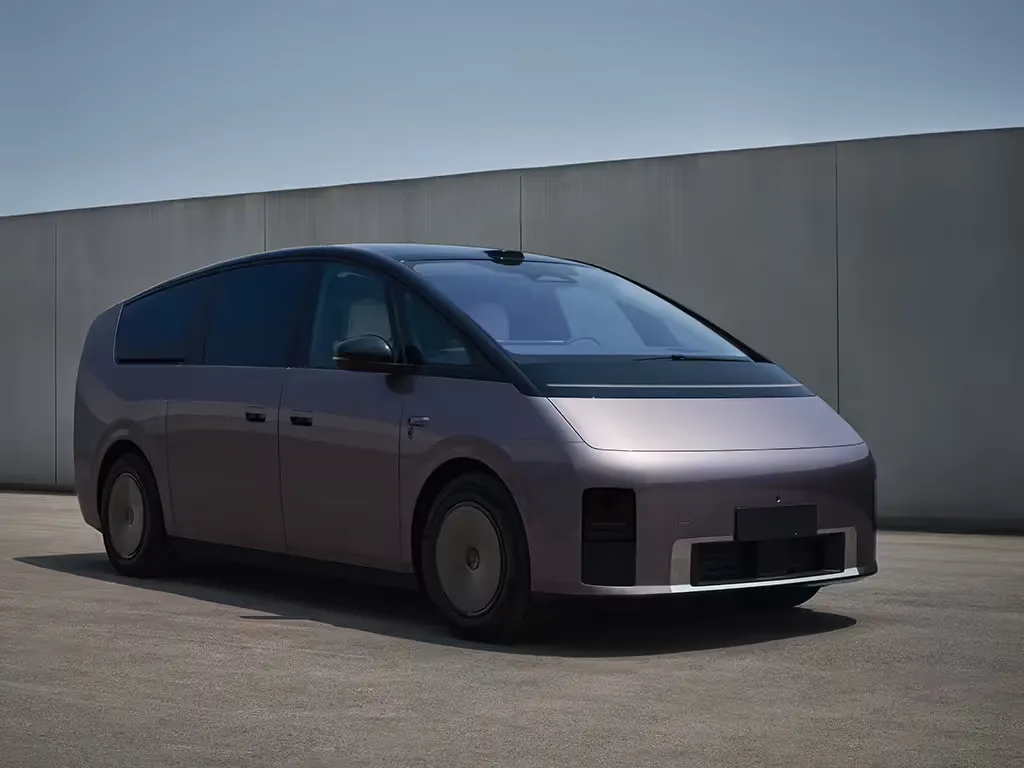
The YU9 is slated to debut between the end of this year and early next year, with an estimated price range of RMB 400,000–500,000 ($56,000–70,000), directly competing with the Li Auto L9 and Aito M9.
The second model is the YU7 GT, which has frequently appeared in recent Nürburgring Nordschleife testing footage.
Built on the YU7 platform, this high-performance SUV does not focus on aggressive exterior styling; instead, development efforts are directed toward chassis performance and dynamic tuning.

The model is currently undergoing intensive testing in Germany and is likely to become Xiaomi’s first vehicle launched in the European market, competing head-on with the Tesla Model Y Performance.
The YU7 GT is expected to feature a tri-motor setup, a 100 kWh battery, and an 800-V architecture. It is projected to debut at the end of the year with an estimated price of around RMB 500,000 ($70,000).
For Xiaomi, the strategic importance of the YU7 GT goes beyond sales numbers—it reinforces the brand’s identity as a performance- and technology-driven automaker.
The third model is the long-wheelbase luxury variant of the SU7, known as the SU7 L. Spy shots show a visibly extended body behind the B-pillar, with the total length likely exceeding 5.2 meters and a wheelbase expected to surpass 3.1 meters.
The model is expected to come equipped with a large-capacity battery, 5C fast charging, an 800-V platform, and Xiaomi’s Thor U assisted-driving chip.
Positioned in the executive luxury sedan segment, the SU7 L focuses on enhanced rear-seat space and business-class comfort.

It is expected to debut at year-end with an estimated price of RMB 250,000–300,000 ($35,000–42,000).
Industry observers compare the strategic split between the SU7 and SU7 L to the difference between the standard Panamera and its long-wheelbase executive version: the former highlights sporty, tech-forward appeal, while the latter addresses premium business needs—an intentional pacing within Xiaomi’s product strategy.
Beyond product planning, Xiaomi’s delivery pace is accelerating. On Monday, Xiaomi began offering its customized service program, with the first customer taking delivery of an SU7 Ultra finished in an exclusive Amethyst exterior colour.

Xiaomi’s financial performance is also supporting the brand’s ongoing product expansion. According to Xiaomi Group’s Q3 2025 earnings report, its smart EV and AI innovation division recorded its first-ever quarterly operating profit of RMB 700 million ($98 million). Automotive revenue reached RMB 28.3 billion ($3.96 billion), up 197.9% year-on-year.
According to the latest data from the China Passenger Car Association, Xiaomi delivered 46,249 vehicles in November, with YU7 wholesale volume reaching 33,729 units, maintaining a stable growth profile.
Discover more from ChinaEVHome
Subscribe to get the latest posts sent to your email.