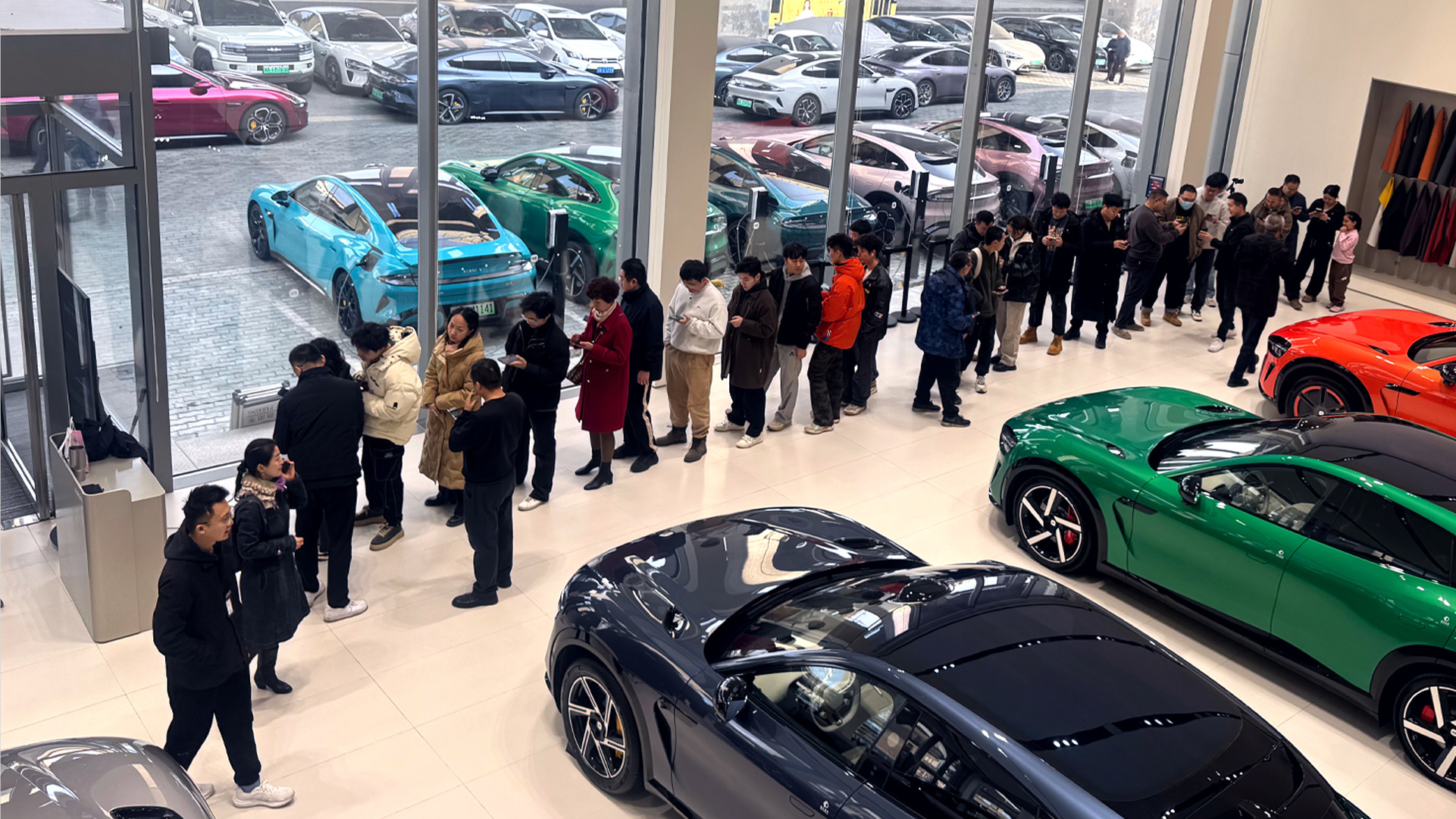
From January to November this year, China’s old-for-new program drove more than RMB 2.5 trillion ($350 billion) in goods sales, including over 11.2 million vehicle replacements.
China’s Central Economic Work Conference, held in Beijing on December 10–11, has set the key policy direction for 2026, with an explicit commitment to optimizing implementation of the “two renewals” policy framework next year, according to Chinese media outlets.
The “two renewals” refer to large-scale equipment upgrades and the consumer goods old-for-new program—commonly known in the market as the national consumer subsidy scheme.
Over the past two years, China has funded old-for-new subsidies through ultra-long special-purpose government bonds, allocating RMB 150 billion ($21 billion) in 2024 and doubling that to RMB 300 billion ($42 billion) in 2025. The program covers automobiles, home appliances, and other major consumer categories.

Following the expansion of subsidy coverage, consumer demand responded quickly. According to the Ministry of Commerce, from January to November, the program drove more than RMB 2.5 trillion ($350 billion) in goods sales, with over 360 million instances of participation. Vehicle replacements alone exceeded 11.2 million units.
Recent forecasts from the China Passenger Car Association (CPCA) underscore the policy’s impact. With stronger subsidies in place, the scale of auto replacements is projected to exceed RMB 180 billion ($25 billion) in 2025.
Combined with the 10% purchase-tax exemption for new-energy vehicles (NEVs), the policies are expected to cover 22% more sales than in 2024.
Given the NEV market’s annual sales of more than RMB 2 trillion ($280 billion), the tax exemption effectively removes more than RMB 200 billion ($28 billion) in purchase taxes.
Together with the state subsidies, nearly RMB 400 billion ($56 billion) in policy support is expected to drive above-consensus growth in the 2025 auto market.
But the policy landscape will shift meaningfully in 2026. The purchase-tax incentive for NEVs will shrink to 5%, reducing the scale of tax relief by more than RMB 100 billion ($14 billion). As a result, the outlook for auto-market growth next year faces substantial pressure.

CPCA data show that in the first week of December, national retail sales of passenger vehicles totalled 297,000 units, down 32% year-on-year and 8% month-on-month.
NEV retail reached 185,000 units, declining 17% year-on-year and 10% compared with the prior month.
Market sentiment has already begun to reflect these shifts in the fourth quarter. As the policy window narrows, more consumers are holding back purchases, widening monthly delivery volatility for automakers.
Discover more from ChinaEVHome
Subscribe to get the latest posts sent to your email.