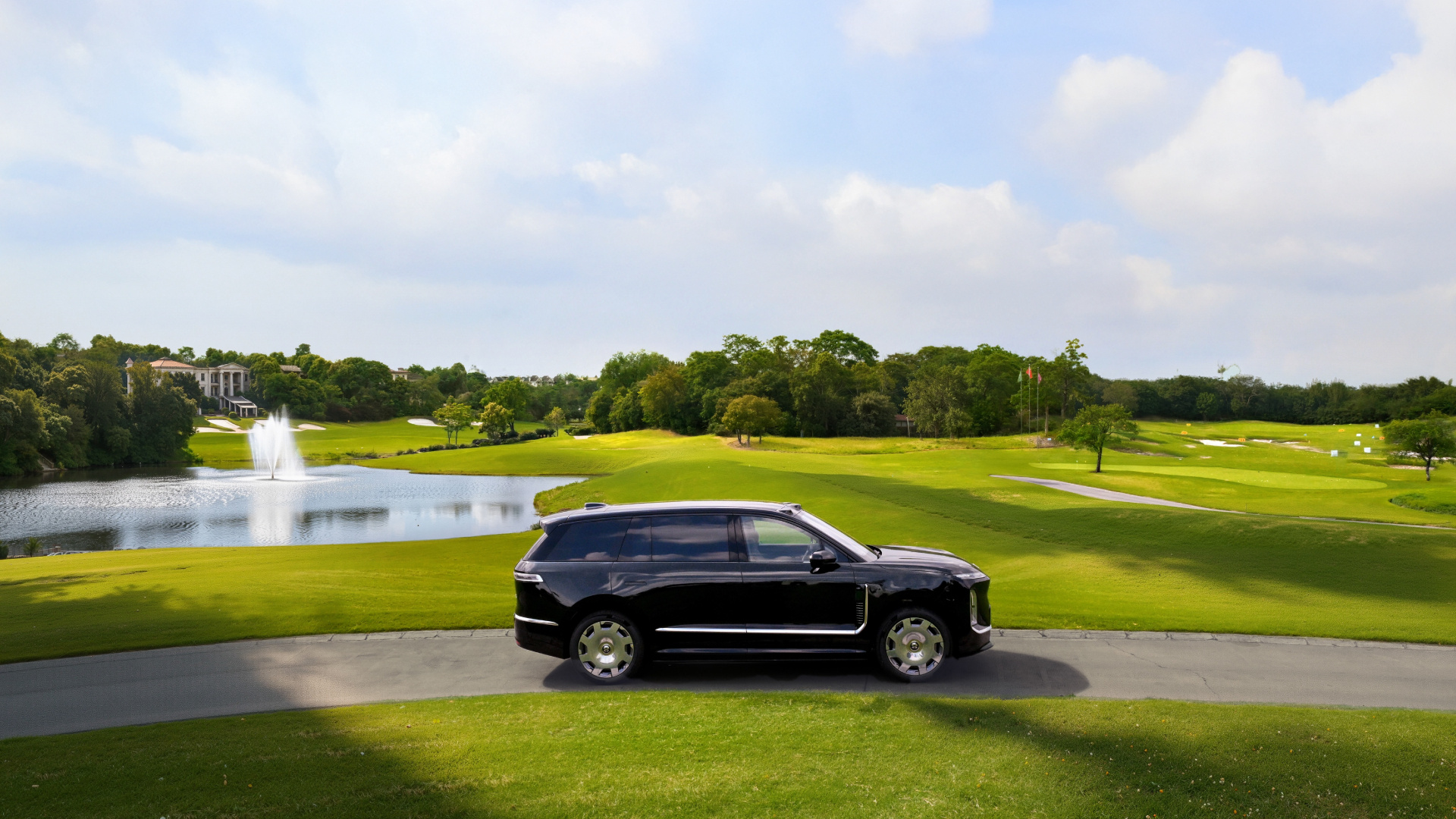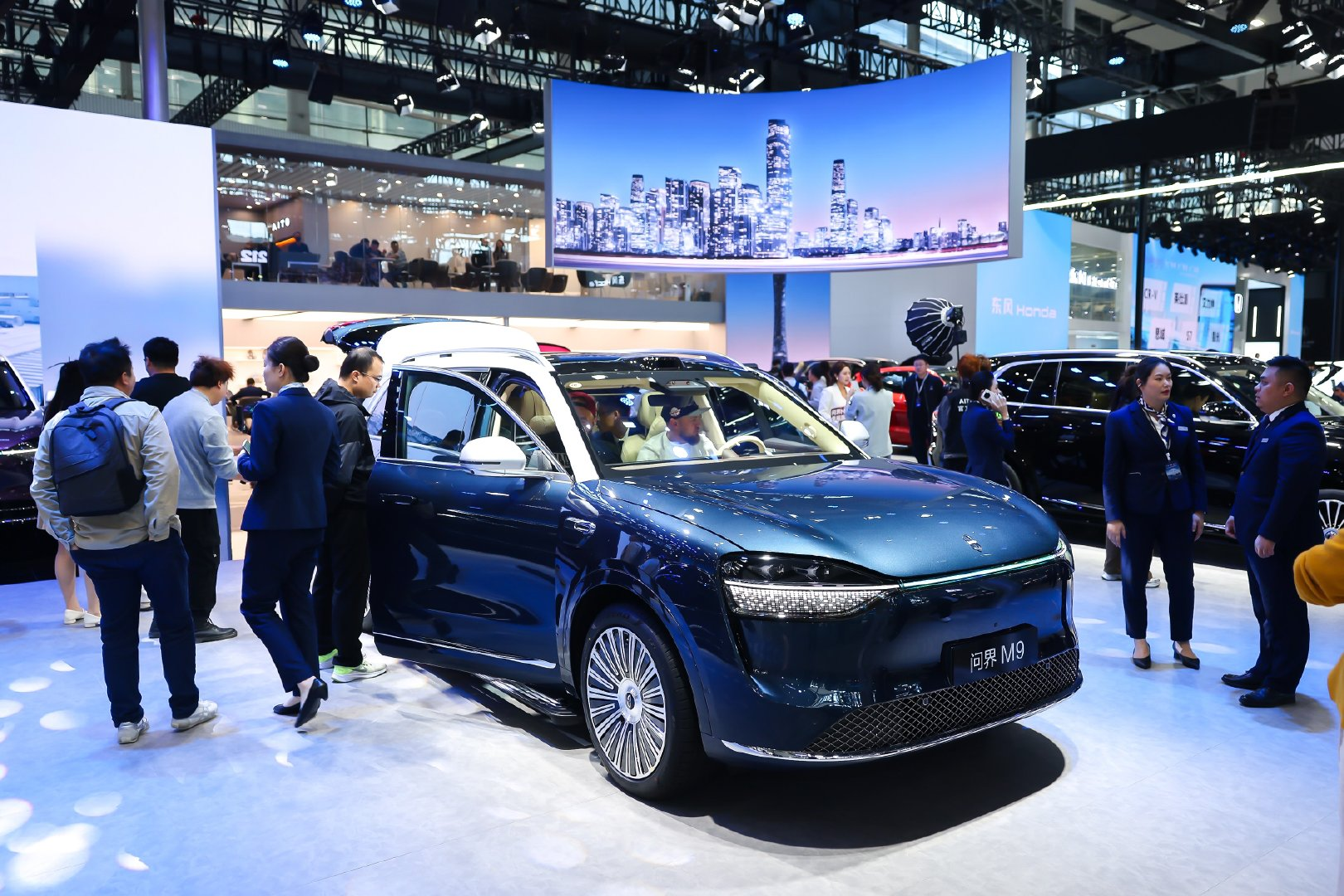
The testing vehicles involved are 2025 models of the AITO M9 and the Maextro S800, purchased privately by Huawei employees.
On December 16, according to a report by Cailian Press, Huawei-backed Harmony Intelligent Mobility Alliance (HIMA) has recently launched internal testing of L3 conditional autonomous driving in Shenzhen, in coordination with the Shenzhen Municipal Transport Bureau and other relevant authorities.
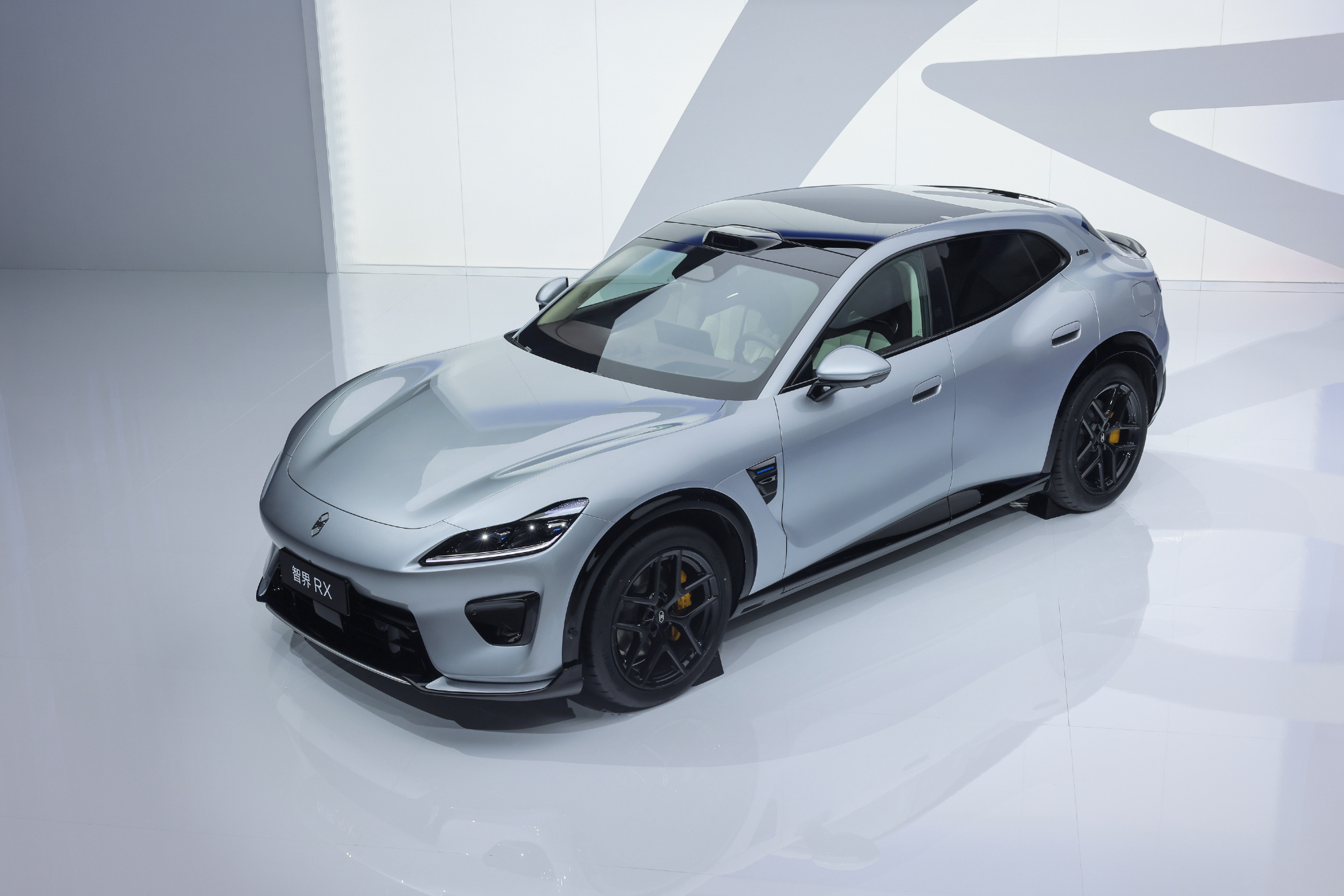
Under the HIMA business, Huawei has partnered with domestic automakers to launch five new brands: Seres’s AITO, BAIC’s Stelato, Chery’s Luxeed, JAC’s Maextro, and SAIC’s Shangjie.
Unlike conventional R&D testing, this program is designed to validate the safety performance and product maturity of L3 systems for ordinary users through real-world roads and real user data, providing practical evidence to support the rollout of national L3 policies.
Sources familiar with the matter said the internal testing is jointly promoted by the Shenzhen Municipal Transport Bureau, the Development and Reform Commission, and other government bodies.
The vehicles involved are 2025 models of the AITO M9 and the Maextro S800, purchased privately by Huawei employees.

The test routes cover all expressways and major arterial roads across Shenzhen, totaling approximately 1,000 kilometers.
More than 20,000 kilometers of real-world driving validation have already been completed, spanning typical operating conditions such as rush-hour commuting, complex interchanges, and continuous high-speed driving.
Just yesterday afternoon, China’s Ministry of Industry and Information Technology (MIIT) officially announced the country’s first batch of L3 conditional autonomous driving vehicle approvals.
Two models will begin on-road pilot operations in designated areas of Beijing and Chongqing, marking China’s transition of L3 autonomous driving from the testing phase toward commercial application.
Policy signals had already emerged in September. The MIIT, together with seven other ministries, released the Work Plan for Stabilizing Growth in the Automotive Industry (2025–2026), which explicitly calls for advancing access and road-use pilots for intelligent connected vehicles and, for the first time, includes “conditional approval for L3 vehicle production access.”

Against this backdrop, both automakers and technology suppliers have accelerated their efforts.
In addition to HIMA, companies including GAC, Changan, IM Motors, Voyah, Xpeng, and FAW-Volkswagen have disclosed varying degrees of progress in large-scale L3 deployment or internal testing.
Among them, the GAC Hyptec A800 equipped with Huawei’s Qiankun ADS 4 recently obtained a permit for “L3 autonomous driving road testing in specific scenarios.” This makes GAC one of the first automakers nationwide to receive approval for L3 highway testing at speeds of up to 120 km/h.

Jin Yuzhi, CEO of Huawei Intelligent Automotive Solution BU, previously stated that high-speed L3 road testing is already underway in seven cities, including Beijing, Shanghai, Guangzhou, Shenzhen, Hefei, Wuhan, and Chongqing, with the focus now on final preparations ahead of formal commercialization.
Guohai Securities noted that a clear three-stage pathway—“standards formulation, transitional implementation, and full enforcement”—is expected to take shape between 2025 and 2027.
Formal L3 market access is likely to occur after 2026, with the industry currently entering a critical window for supply-chain positioning.
Discover more from ChinaEVHome
Subscribe to get the latest posts sent to your email.