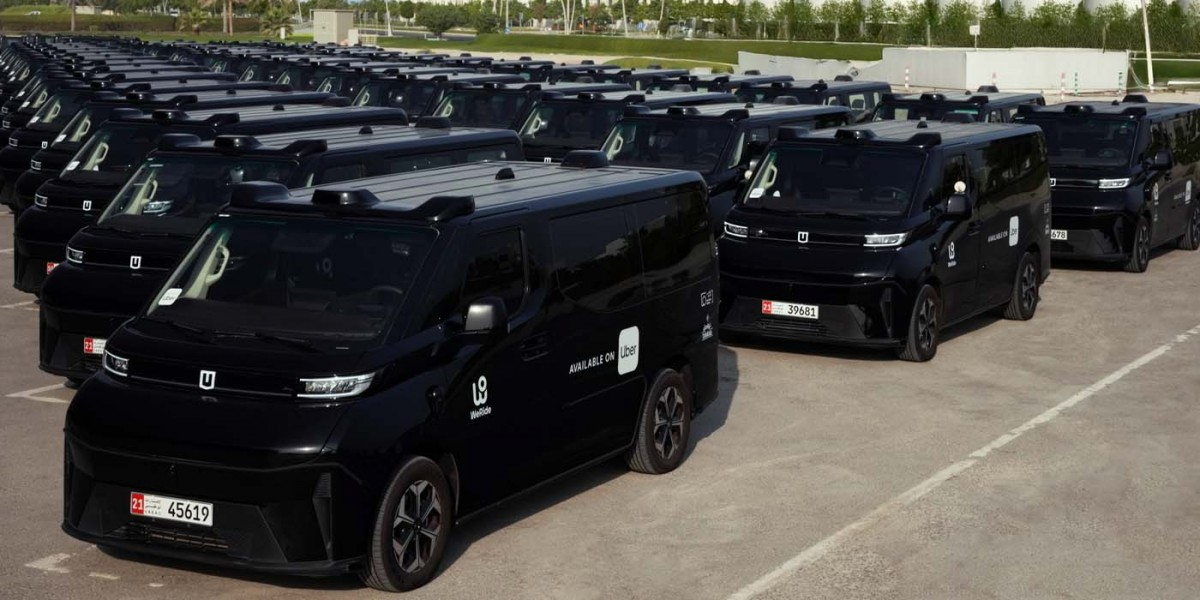
Uber and Lyft will start a pilot program using Baidu’s Apollo Go RT6 robotaxis in London in 2026.
On December 22, U.S. ride-hailing platforms Uber and Lyft announced collaborations with Baidu’s Apollo Go to launch robotaxi pilot projects in the UK.
Uber’s official account on social media platform X announced that the pilot will commence in London in the first half of 2026, featuring Baidu’s Apollo Go RT6 autonomous vehicles. Commercial services are expected to begin by the end of next year.

This collaboration follows a strategic partnership established in July between Apollo Go and Uber, aimed at expanding Baidu’s autonomous mobility services beyond the U.S. and China to global markets.
The plan includes deploying thousands of Apollo Go autonomous vehicles into Uber’s global network, initially in Asia and the Middle East, with a gradual expansion worldwide over the coming years.
Simultaneously, Lyft’s CEO David Risher announced on X that testing of the first fleet of autonomous vehicles through the collaboration between Lyft and Freenow in the UK will begin next year, pending regulatory approval.

The testing will involve dozens of fully-electric RT6 models, specifically designed for ride-sharing, with future plans to scale up to hundreds.
This follows an August strategic partnership between Apollo Go and Lyft, where both companies aim to provide autonomous mobility services via the Lyft platform in Europe.
Apollo Go’s sixth-generation self-driving vehicles are scheduled to debut in Germany and the UK in 2026, with plans to expand to thousands of vehicles across Europe thereafter.
Meanwhile, the global deployment of robotaxis continues to accelerate. In China, companies like WeRide and Pony.ai have deployed over 750 and 961 robotaxis, respectively, while Waymo in the U.S. has reached approximately 2,500 vehicles.

As of November, Apollo Go has expanded to 22 cities worldwide, with over 1,000 robotaxis operating in cities such as Beijing, Shanghai, Shenzhen, Hong Kong, Dubai, and Abu Dhabi.
Apollo Go’s autonomous fleet has already accumulated over 240 million kilometers of driving and processes over 250,000 orders per week, with a total of over 17 million completed rides.
Discover more from ChinaEVHome
Subscribe to get the latest posts sent to your email.