- Momenta wins Germany’s KBA L4 permit, becoming the first Chinese firm cleared to test urban autonomous driving nationwide.
- Approval lets Momenta run pan-Germany L4 validation without city-by-city permits, fast-tracking European Robotaxi rollout.
- Momenta’s global ties with Mercedes, BMW, Uber and others and HK listing boost commercialization and share momentum.
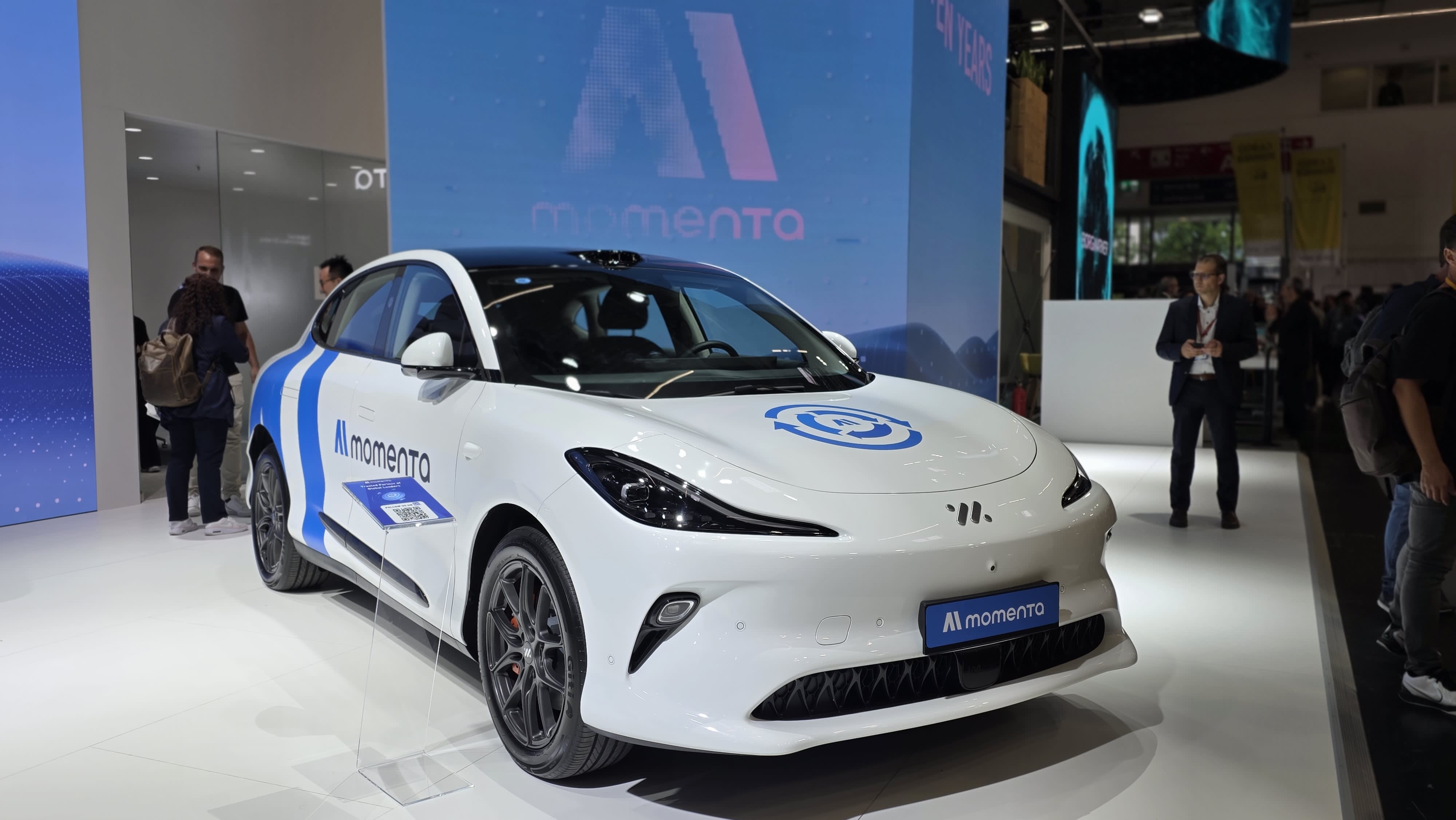
On July 29, autonomous driving firm Momenta announced that it had received a Level 4 (L4) autonomous driving testing permit from Germany’s Federal Motor Transport Authority (KBA), allowing it to conduct related tests on urban roads across Germany.
This marks the first time a Chinese autonomous driving company has obtained L4 testing approval covering urban roads nationwide in Germany.
Previously, Chinese companies seeking to expand autonomous driving operations overseas typically needed to apply for testing permits separately in different cities or regions.
The latest approval allows Momenta to conduct technology validation across broader areas of Germany without requiring city-by-city applications.

Germany has long maintained strict requirements for automotive safety regulations.
As one of the country’s key transportation regulators, KBA certification is widely regarded as an important step for companies seeking access to the European automotive market.
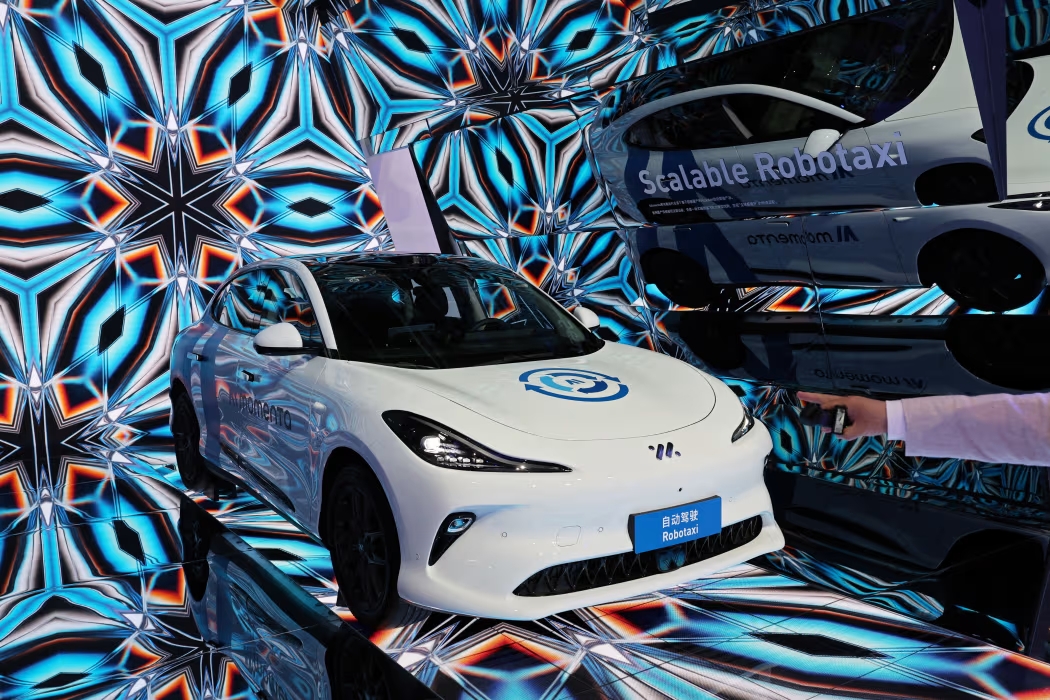
Momenta said the KBA approval will allow its autonomous driving safety validation process to align more efficiently with European regulatory frameworks and provide support for future Robotaxi deployment.
In recent years, Momenta has continued expanding its overseas autonomous driving presence and has established cooperation with multiple European automakers.

The company has partnerships with Mercedes-Benz, BMW, Audi and Volkswagen, while also exploring Robotaxi applications with mobility platforms including Uber, Grab, Lumo and SAIC Mobility.
Momenta’s cooperation with Uber began in May 2025, with both companies planning to launch autonomous mobility services in Munich, Germany, in 2026.
In December last year, Momenta partnered with Southeast Asian mobility platform Grab to explore applications of autonomous driving technology in Southeast Asia.
During the same month, Momenta, Mercedes-Benz and UAE mobility operator Lumo launched testing of an L4 Robotaxi based on the next-generation Mercedes-Benz S-Class platform in Abu Dhabi.

In China, Momenta is also advancing Robotaxi commercialization.
In July this year, Momenta, SAIC Motor and SAIC Mobility announced a mass-production Robotaxi vehicle plan, with related models expected to debut in 2027.
The latest German approval is also aligned with Momenta’s commercialization strategy over the past two years.
Unlike some autonomous driving companies that focus primarily on Robotaxi applications, Momenta has emphasized deploying the same foundation model technology across multiple scenarios, including passenger vehicles, Robovan, Robotruck and Robotaxi.
Currently, Momenta’s intelligent driving systems have been deployed in more than 1 million production vehicles, covering over 100 vehicle models, with more than 210 designated vehicle projects secured.
Previously, the company launched mass-production intelligent driving solutions based on its R7 World Model and has begun extending its technology capabilities into autonomous delivery and mobility service applications.
At the capital market level, Momenta was listed on the Hong Kong Stock Exchange in early July, with its market value exceeding HK$70 billion on its debut trading day.
Fuelled by this approval, Momenta’s intraday share price surged more than 10% in recent sessions.
Discover more from ChinaEVHome
Subscribe to get the latest posts sent to your email.