- WeRide’s Q2 revenue surged 82% YoY to RMB 230 million, powered by a 164% jump in overseas sales.
- Overseas expansion now spans 13 countries and 60+ cities, with ~1,800 Robotaxis and ~400 vehicles in the Middle East.
- L2++/L3 shipments boomed—~30,000 WRD3.0 units shipped and L2++/L3 revenue up 2,594% YoY.
Autonomous driving company WeRide reported revenue of RMB 350 million ($51.9 million) in the first half of 2026, up 73% year over year, according to its financial results for the second quarter and first half of the year.
In the second quarter, the company generated revenue of RMB 230 million ($34 million), an increase of 82% year over year and 103% quarter over quarter.
Gross margin improved to 37.5%, up 9.4 percentage points from the same period last year.
By revenue composition, overseas markets have become a key source of growth for WeRide. In the first half of 2026, overseas revenue increased 154% year over year.

Growth accelerated further in the second quarter, with overseas revenue rising 164% year over year and 169% quarter over quarter.
Since the beginning of the year, WeRide has continued expanding its overseas Robotaxi deployments.
In June, the company announced partnerships with Uber to advance Robotaxi commercialization projects in Madrid, Spain, and Zurich, Switzerland.
In August, WeRide entered the Nordic market to develop an autonomous shared mobility project in Denmark, with public operations planned for the first half of 2027.

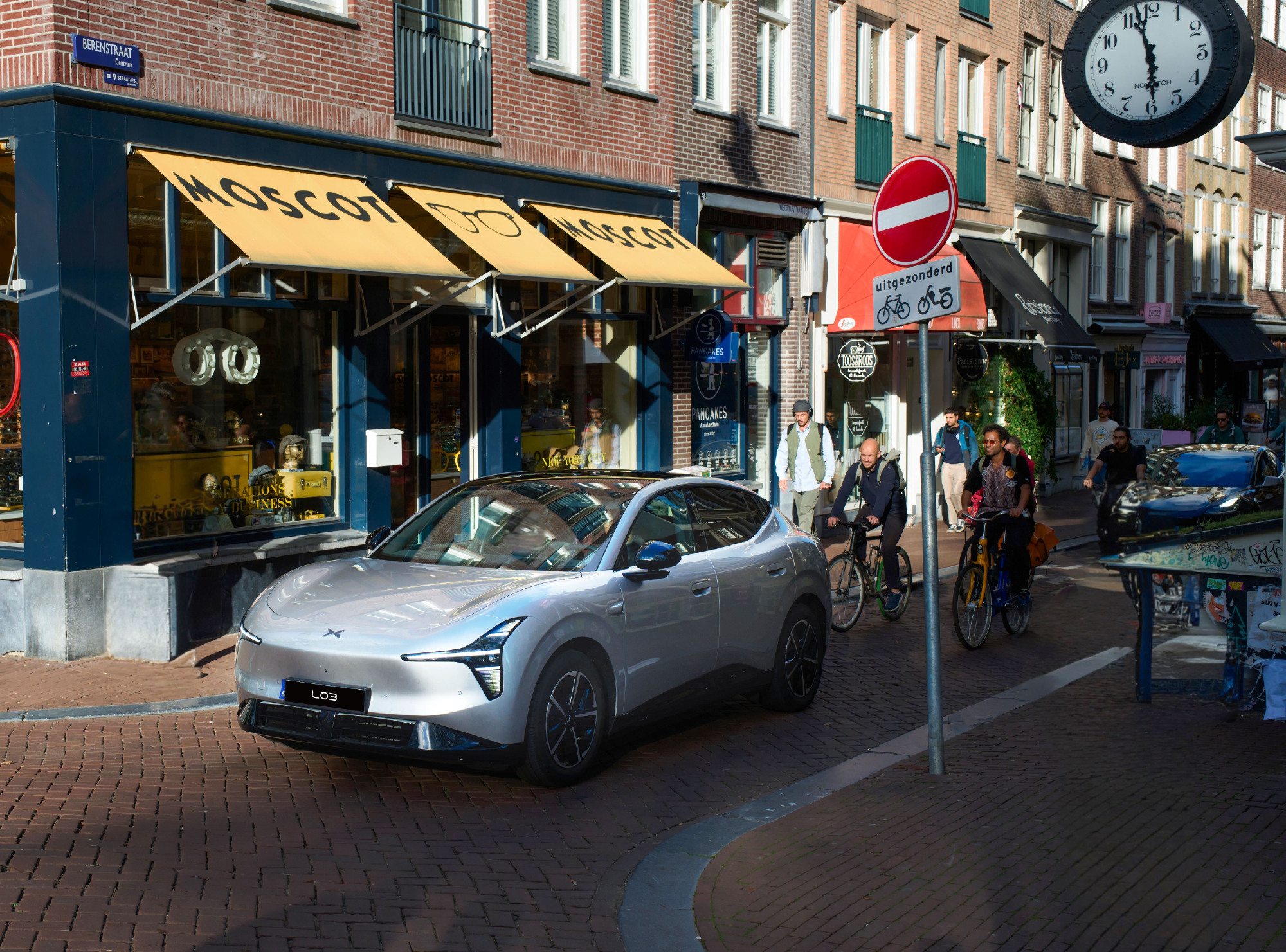
In the Middle East, WeRide has already launched fully driverless Robotaxi operations in Abu Dhabi and Dubai, with the regional Robotaxi fleet currently reaching around 400 vehicles.
The company is also working with Geely Farizon and Kwoon Chung Bus Holdings to develop Robotaxi solutions for right-hand-drive markets, with Singapore and Hong Kong as priority markets.
Currently, WeRide’s operations cover 13 countries and more than 60 cities, with commercial operations established in multiple overseas markets.
As of July 31, WeRide operated a global L4 autonomous driving fleet of around 3,400 vehicles, including more than 1,800 Robotaxis.
Compared with traditional mobility models that require large-scale fixed asset investments, WeRide is attempting to reduce overseas expansion costs through technology licensing, operational partnerships and other asset-light approaches.

In China, Robotaxi operations also showed improving performance.
During the second quarter, WeRide’s domestic Robotaxi service achieved a peak of 28 completed trips per vehicle per day.
Registered users increased 35% quarter over quarter, while ride-hailing revenue rose 140% quarter over quarter.
Beyond L4 autonomous driving operations, the company is also advancing mass-production-oriented L2++ and L3 intelligent driving solutions.
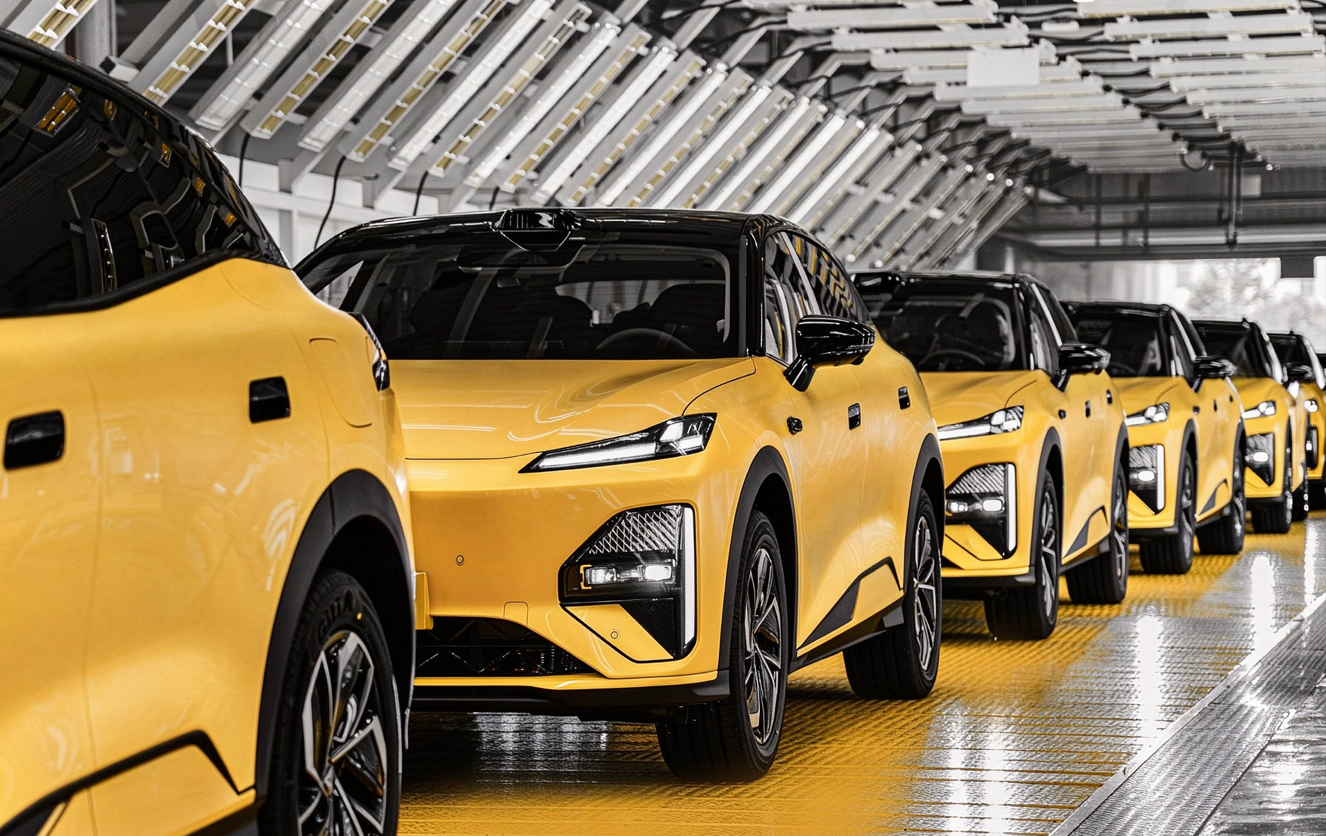
During the second quarter, WeRide shipped around 30,000 units of its self-developed WRD3.0 one-stage end-to-end autonomous driving solution.
The system has secured L2++ mass-production projects across more than 30 vehicle models.

The solution integrates Bosch’s automotive-grade intelligent driving technology and is undergoing road testing and localization validation in Germany, France, Japan and other overseas markets.
Financial results showed that WeRide’s L4 business generated revenue of RMB 130 million ($19.2 million) in the second quarter, up 47% year over year and 131% quarter over quarter.
During the same period, revenue from its L2++/L3 business surged 2,594% year over year.
The two business lines are developing in parallel, with Robotaxi continuing to explore commercial operating models.
Meanwhile, mass-production intelligent driving solutions target a broader automotive supply chain market.
Discover more from ChinaEVHome
Subscribe to get the latest posts sent to your email.