- DPCA Technology launched with RMB 8.19 billion capital to develop and sell NEVs globally.
- Dongfeng will lead NEV powertrains and smart systems while Stellantis supplies Peugeot/Jeep brands and overseas channels.
- Wuhan plant will start producing Peugeot and Jeep BEVs and PHEVs from 2027 as part of a turnaround plan.
Corporate registration platform Tianyancha shows that DPCA Technology (Wuhan) Co., Ltd. completed its business registration on Monday, with registered capital of RMB 8.19 billion ($1.21 billion).
The new company’s business scope covers R&D of automotive components, sales of new energy vehicles (NEVs), technology imports and exports, and online sales.

Huang Yong, who currently serves as a member of the Party leadership group and deputy general manager of Dongfeng Motor Group Co., Ltd., has been appointed the company’s legal representative.
He is also chairman of DPCA, a joint venture established in 1992 and now equally owned by Dongfeng Motor Group and Stellantis.
Officials from Wuhan Economic & Technological Development Zone and DPCA confirmed that the company is the new operating entity previously announced as a joint investment by Dongfeng Motor, Stellantis and other parties.
The ownership structure behind the new company had effectively been finalized in May.
On May 15, Dongfeng Motor, Stellantis, DPCA and three other parties signed an agreement to inject more than RMB 8 billion ($1.19 billion) into the new entity, jointly advancing the establishment of DPCA Technology.
Compared with the previous joint-venture model, the biggest change is a shift in the division of responsibilities between the two sides.

DPCA Technology will operate under a model of “R&D in Wuhan, manufacturing in Hubei and global sales.”
Dongfeng will be responsible for new energy powertrain technologies, including batteries, electric motors and electronic controls, as well as smart cockpits and intelligent driving.
Stellantis will primarily contribute brand resources from Peugeot and Jeep, product design capabilities and overseas sales channels.
The cooperation model is similar to projects involving SAIC Audi’s AUDI brand and Chery-JLR’s Freelander, but DPCA Technology will retain the Peugeot and Jeep brand identities.
Under the plan, the Wuhan plant will gradually begin producing new energy models under the Peugeot and Jeep brands from 2027, covering both battery-electric and plug-in hybrid powertrains.
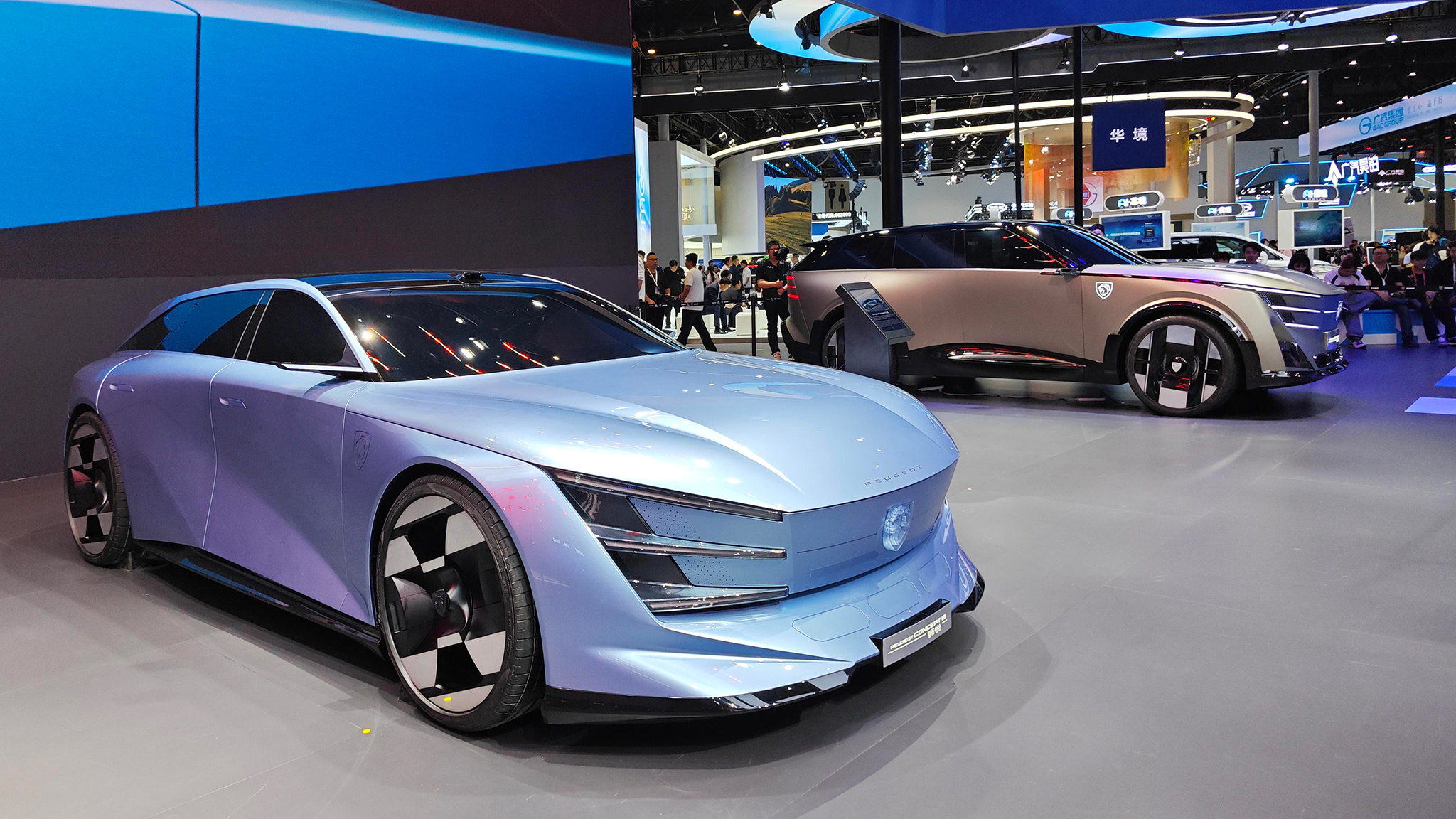
Peugeot’s new energy model has already made its debut at the 2026 Beijing Auto Show, while Jeep plans to operate as an independent business unit with a separate sales company.

For Dongfeng, the partnership provides an opportunity to leverage Stellantis’ overseas channels to expand the reach of its NEV technologies and supply chain.
For Stellantis, the arrangement could reduce the cost of rebuilding an NEV technology and supply-chain ecosystem in China.
DPCA also continues to face significant pressure in its core business.
After years of declining sales, the company unveiled a three-year revitalization plan at the end of 2025, targeting annual sales of around 200,000 vehicles by 2028.
The completion of the new company’s registration indicates that the plan is moving into a phase focused on rebuilding its product and manufacturing systems.
Discover more from ChinaEVHome
Subscribe to get the latest posts sent to your email.