- Xiaomi will not launch sub‑RMB 100,000 EVs for years, citing prohibitive costs for intelligent features.
- New SU7 pricing and upgrades signal Xiaomi’s deliberate mid‑to‑high‑end automotive positioning.
- Lei Jun still aims for top‑5 global automaker scale but says low‑price expansion isn’t imminent.
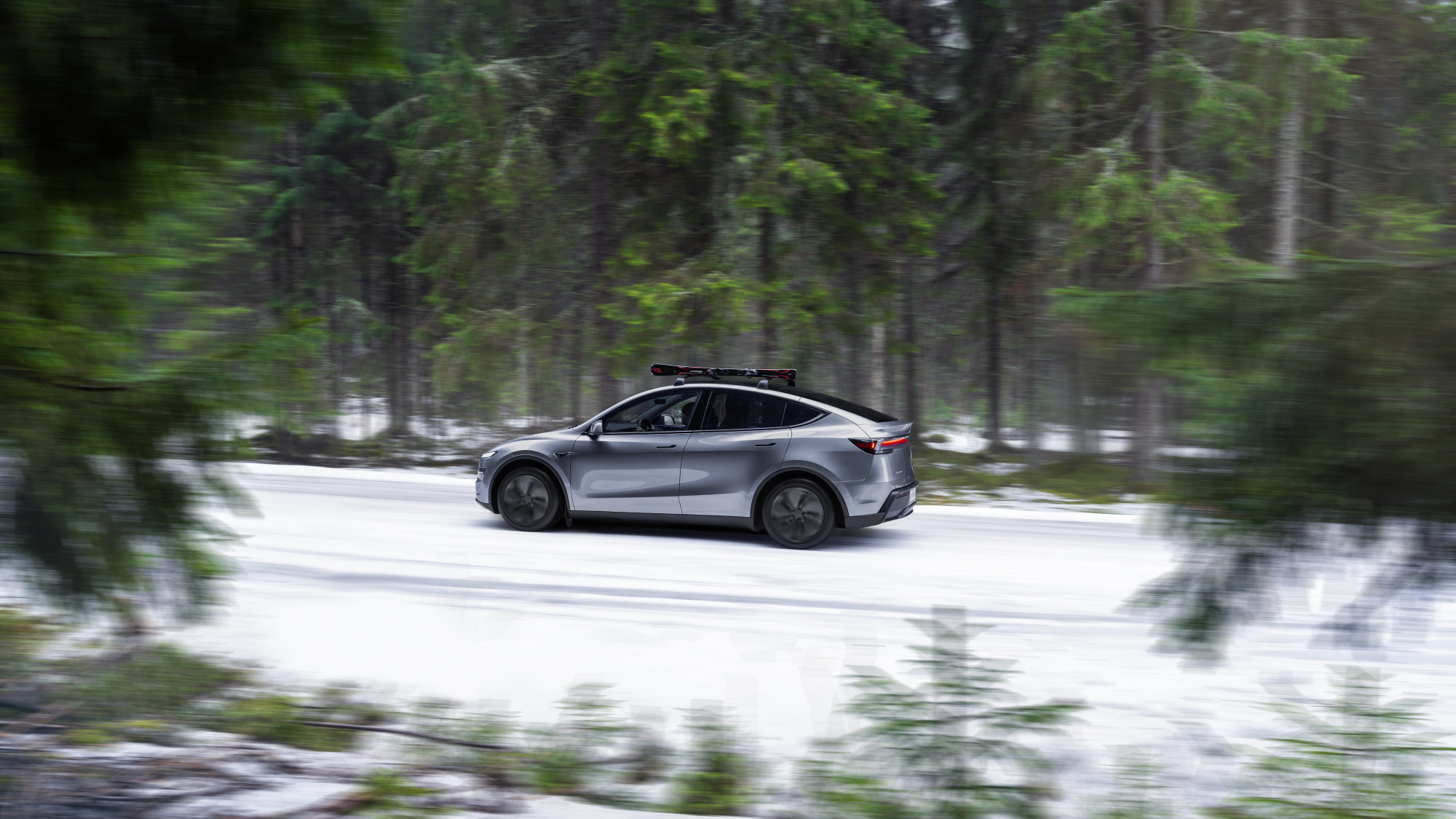
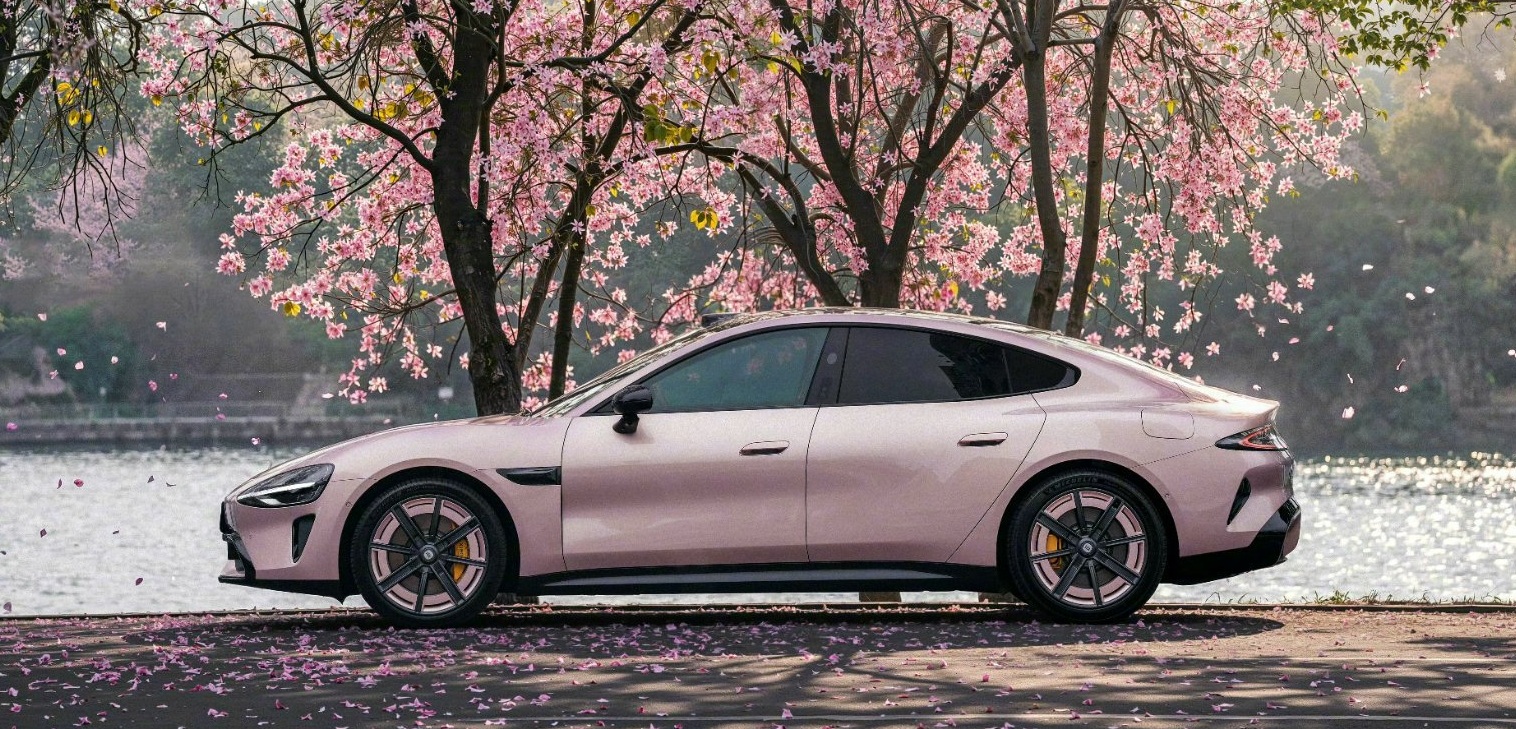
On April 17, Xiaomi CEO Lei Jun livestreamed a 1,265 km endurance challenge from Beijing to Shanghai in a new-generation SU7 Pro, completing the trip with just one charging stop.
When asked whether Xiaomi would introduce models priced below RMB 100,000 ($14,660), Lei said the company has no plans to enter that segment in the coming years.
He attributed the decision primarily to cost constraints, noting that the core competitiveness of electric vehicles lies in intelligent features, whose costs remain relatively high, making it difficult to balance user experience and cost control at that price point.

From a product strategy perspective, the decision also aligns with Xiaomi’s brand positioning.
On March 19, Xiaomi launched the next-gen SU7, priced between RMB 219,900 ($32,260) and RMB 303,900 ($44,570), representing an increase of around RMB 4,000 ($587) compared with the previous generation.
The new model features upgrades in range and hardware while maintaining a mid-to-high-end pricing strategy.
According to data from the China Passenger Car Association, Xiaomi delivered 21,440 vehicles in March, up 6% from 20,196 units in February.

Deliveries of the refreshed SU7 began in late March, with over 7,000 units delivered in the first week, supporting overall sales performance.
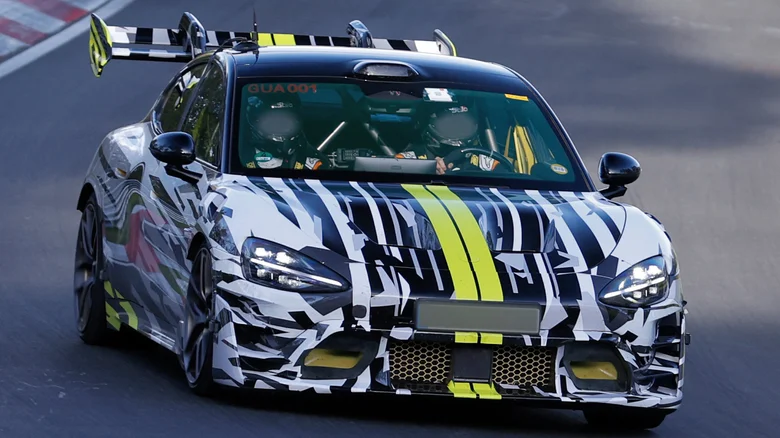
Xiaomi Auto has not pursued a low-cost strategy from the outset. Its previously launched SU7 Ultra has already entered the high-performance segment, while initiatives such as the Ultra Club and customization services aim to strengthen brand premium positioning.
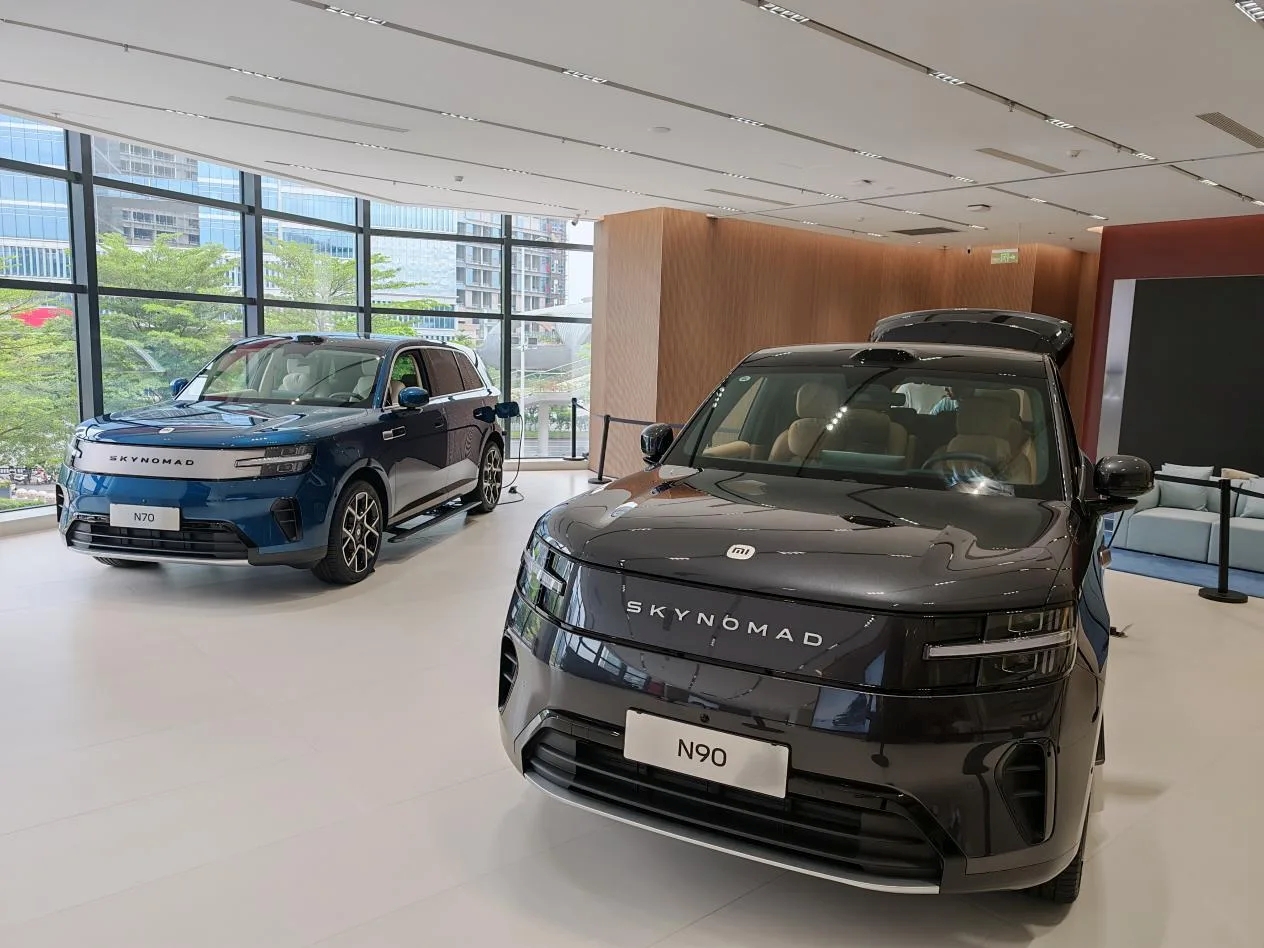
Looking ahead, upcoming models including “Kunlun,” an executive variant of the SU7 (tentative name), and the YU7 GT—already filed in MIIT—indicate a continued push into more segmented and higher-priced categories.

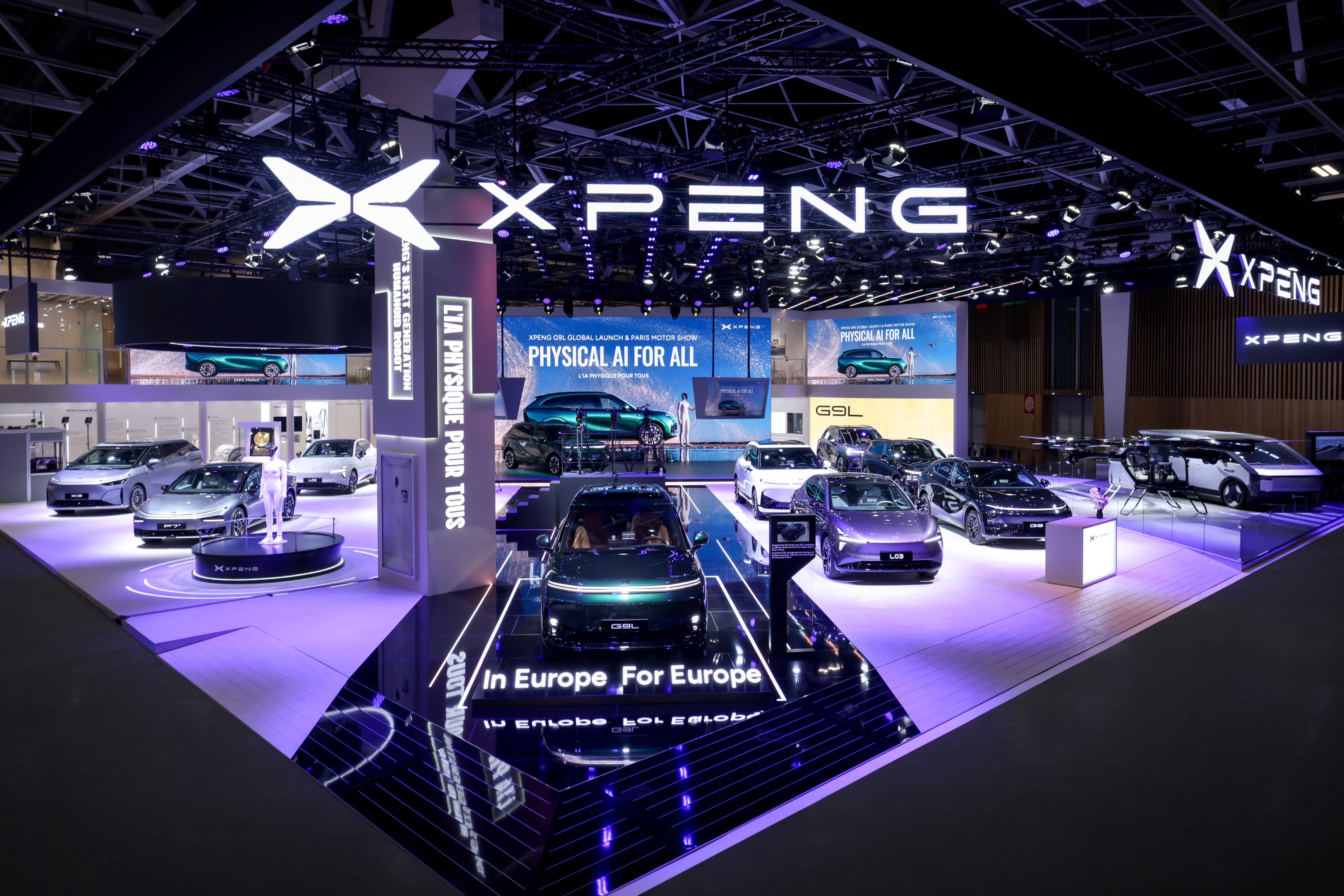
Notably, He Xiaopeng, chairman of XPeng, also stated earlier this month during the MONA M03 launch that the company does not plan to enter the sub-RMB 100,000 segment, citing limited value despite its scale.
He added that the sub-RMB 100,000 market offers thin margins, making it difficult to sustain investment in intelligent technologies and increasing the risk of destructive price competition.
However, over a longer horizon, Lei noted during the livestream that Xiaomi aims to become one of the world’s top five automakers.
Achieving that scale would ultimately require broader price coverage, though not in the near term.
Discover more from ChinaEVHome
Subscribe to get the latest posts sent to your email.