FAW Toyota is accelerating its smart vehicle strategy with plans to launch a next-gen smart cockpit in 2026.
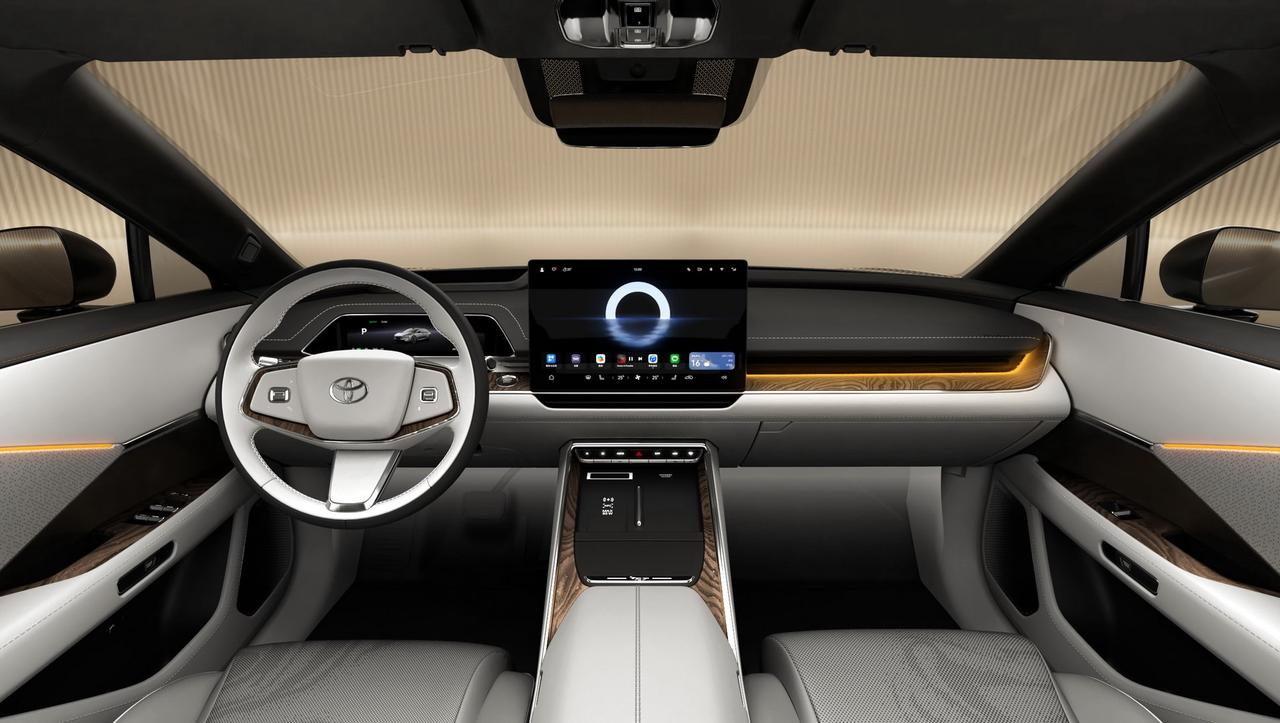
According to domestic media reports, FAW Toyota has officially begun development of its next-generation smart cockpit, with plans to debut it in 2026 in its latest new energy vehicle models. Sources revealed that the project has already been initiated, and a demo version of the cockpit design will be unveiled soon.
Information suggests that FAW Toyota is benchmarking its development against leading domestic players such as NIO, Li Auto, and Huawei’s HarmonyOS cockpit systems.
The new cockpit will represent a significant intelligent upgrade from current systems, with deep integration of AI foundation models—especially in merging AI capabilities with smart driving functions. One insider gave an example: “A key feature of this cockpit is its ability to perceive the driver and passengers, and automatically adjust the cabin’s temperature, audio volume, and other settings based on the driver’s status to enhance the driving experience.”
Currently, FAW Toyota’s bZ5 model already features Toyota’s latest smart cockpit system, Toyota Space, which runs on Qualcomm’s 8155 in-cabin chip and supports over 200 mainstream applications, including navigation, video, and remote office functions.
However, as China’s automotive market rapidly advances in intelligent technologies, existing cockpit systems are no longer sufficient to serve as selling points for Toyota. Especially as domestic brands continue to iterate quickly in both cockpit and smart driving tech, FAW Toyota must speed up its efforts in automotive intelligence. Going forward, the next-generation smart cockpit is expected to become a key differentiator for FAW Toyota in the increasingly competitive market.

During the early boom of the NEV (New Energy Vehicle) market, joint venture models lost considerable market share due to lackluster smart features. In recent years, however, joint ventures seem to be catching up. Brands like Nissan, Toyota, and Mercedes-Benz are now leveraging a strategy of “global tech + Chinese market needs” to quickly address their shortcomings in smart features.
In terms of smart driving, models such as the Dongfeng Nissan N7, FAW Toyota bZ5, and GAC Toyota bZ3X have already partnered with local intelligent driving supplier Momenta, gaining both positive market reception and solid sales. Legacy automakers like Mercedes-Benz, BMW, and SAIC-GM are also expected to adopt Momenta-powered ADAS solutions in upcoming models.
On the cockpit side, some manufacturers like FAW Toyota and FAW-Volkswagen have announced they will develop their own next-gen smart cockpit systems, while others, such as Mercedes-Benz and Nissan, have chosen to co-develop localized software with domestic suppliers tailored for the Chinese market.
Looking ahead, as joint venture automakers continue to embrace local suppliers and invest in localized R&D, the long-criticized weakness in software is expected to see rapid improvement. By combining superior hardware with a globalized and standardized quality management system, joint ventures may regain long-term competitiveness in the evolving Chinese auto market.
Discover more from ChinaEVHome
Subscribe to get the latest posts sent to your email.