Ahead of its official debut, ONVO L90’s product lead, Yu Bin, sat down with the media to share key insights into the vehicle’s design vision.
On the eve of the ONVO L90’s official launch on July 10, the core product team behind NIO’s sub-brand ONVO has conducted multiple rounds of internal interviews, offering insights into the model’s design direction, user research process, and brand positioning.
During a NIO Radio session, ChinaEV Home Editor-in-Chief Elliot joined other media to speak with Yu Bin, NIO’s Assistant Vice President and ONVO’s Head of Product Experience, marking the first time the L90’s design vision was shared in detail.

According to Yu, the L90’s development commenced four years ago, with its target demographic consistently focused on mainstream Chinese families. To gain a deeper understanding of actual user needs, the ONVO team conducted extensive field research in Tier 3 and lower cities, covering a variety of real-life scenarios including multi-generational travel, overnight stays in the car, in-car entertainment, and parent-child interaction. “We didn’t just brainstorm functions in offices in Beijing or Shanghai,” Yu explained. “We spent time in people’s homes, observing how they truly use their vehicles.”
As a result, the L90 adopts several design elements distinct from models on NIO’s NT2 platform. These include the brand’s first powered glovebox, adjustable rear-seat leg rests, a 17.2-inch second-row entertainment screen, and a retractable central privacy screen for the front row. Rather than chasing technical specifications alone, the L90 emphasizes a refined stationary in-car experience—designed so users can genuinely enjoy staying in the car when it’s parked.

“Spec stacking is cost-driven, not user-driven,” Yu noted. “The L90 is about fulfilling the core needs of 99% of mainstream families—not chasing after the 1% with niche use cases.”
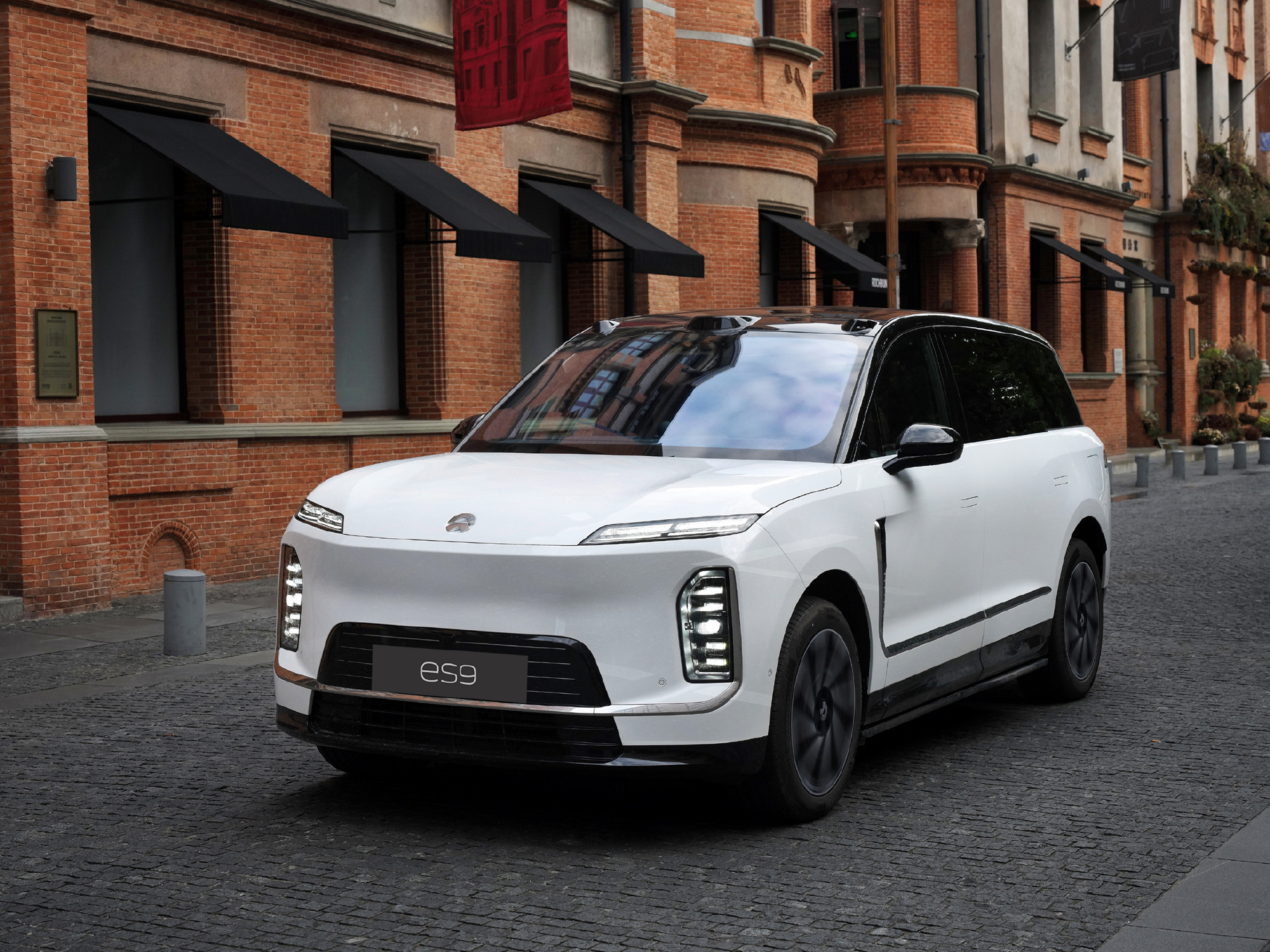
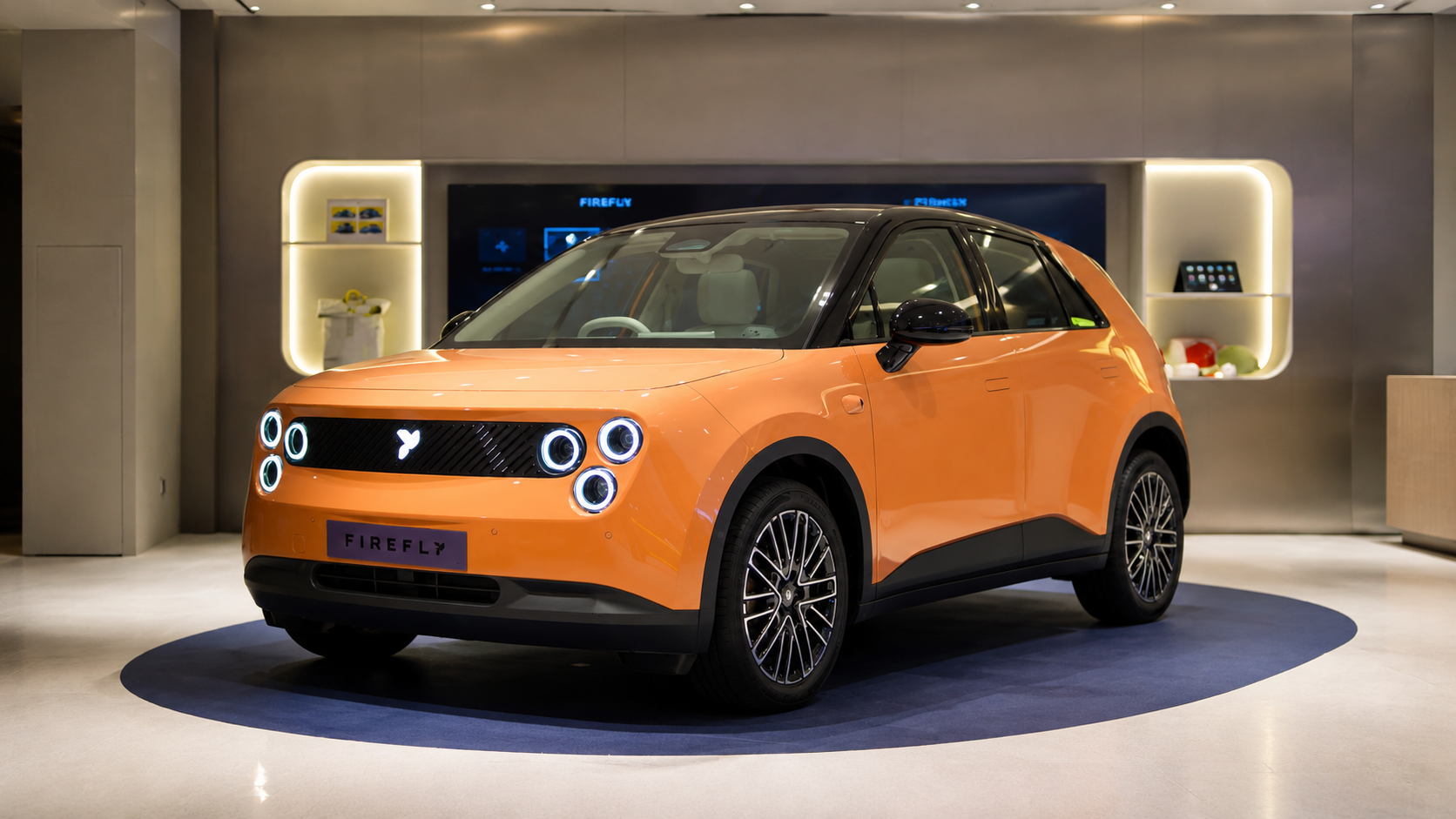
Addressing speculation around potential product overlap between the L90 and the NIO ES8, Yu offered a direct response. He stated that NIO’s three-brand strategy now has a clearly defined structure: NIO targets high-net-worth and business users (“Xingye” — Business-Oriented), ONVO serves practical family needs (“Yijia”—Family-Oriented), and Firefly speaks to youth and self-expression (“Yueji”—Self-Driven). From design philosophy to sales strategy, the L90 and ES8 are aimed at “entirely different user groups.”

As for expectations around market performance, Yu concluded the interview by saying, “Sales are the final result. If customers test drive the L90 and feel satisfied with the product—and if our overall offer is compelling—then we hope they give it a serious try.”

Notably, market response to the ONVO L90 has significantly outpaced expectations since presales began. Over the past weekend, ONVO showrooms in several cities witnessed a surge in foot traffic, with many locations reporting long queues and high customer engagement. According to the latest estimates from Morgan Stanley, the L90 has garnered between 30,000 and 35,000 pre-orders within just the first four days of its presale campaign.
Given the strong early momentum, the L90 could mark a pivotal moment for NIO. Whether it can mirror the recent breakout success of XPeng’s MONA will depend on the brand’s ability to convert these early orders into actual deliveries in the coming months.
Discover more from ChinaEVHome
Subscribe to get the latest posts sent to your email.