As multiple Chinese automakers make progress in self-developing chips, the autonomous driving chip market will no longer rely entirely on traditional chip suppliers.
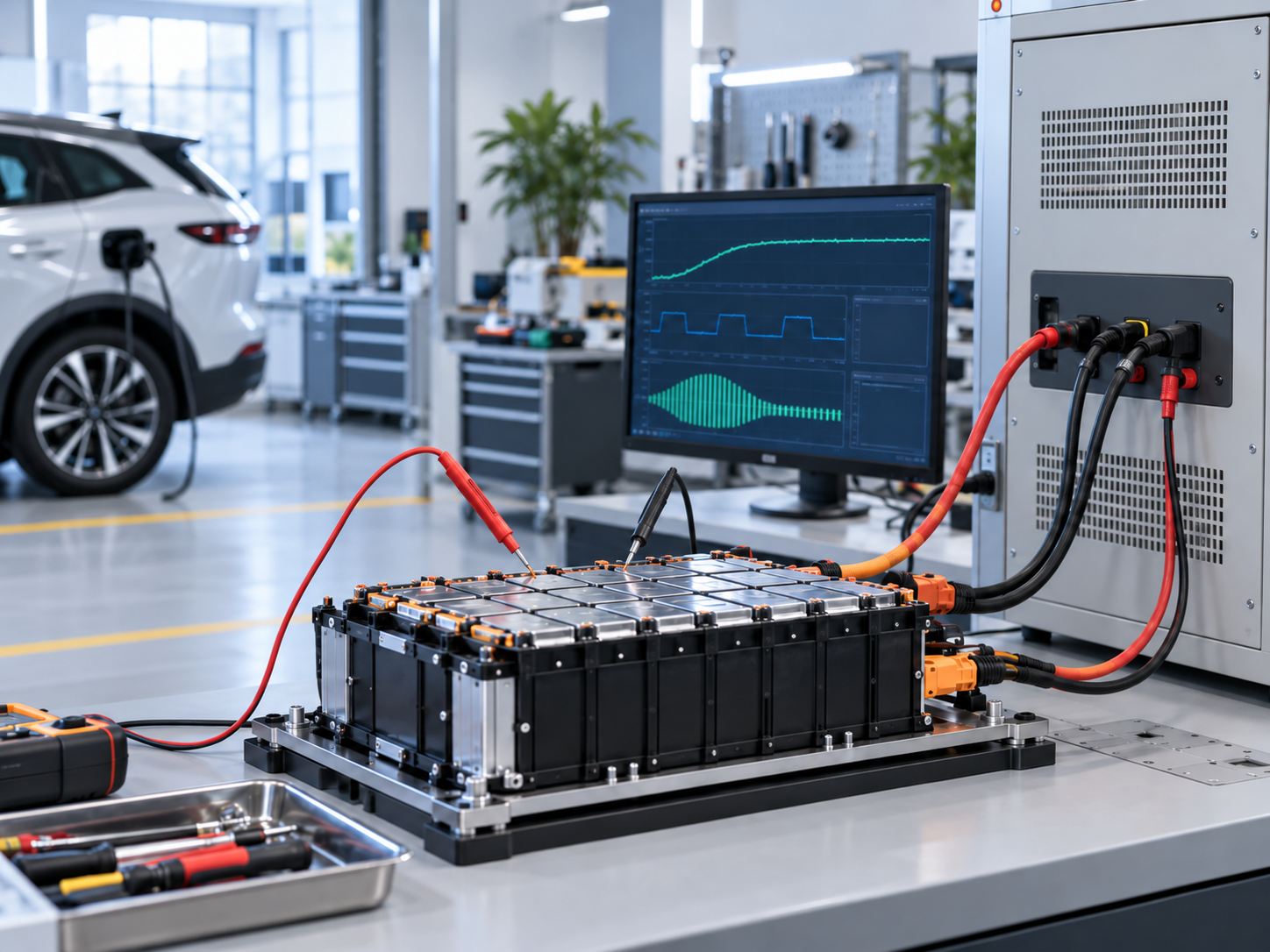
On August 28th, LatePost reported that Li Auto’s self-developed autonomous driving chip, the M100, reached a key pre-production milestone in the first quarter of this year with the return of engineering samples. Subsequently, the M100 completed its functional and performance tests within two weeks, followed by passing stress tests conducted by Li Auto’s R&D personnel. Currently, the M100 is undergoing road tests installed in small batches of prototype vehicles.
Test data shows that the M100 performs excellently in different types of computational tasks. When handling computational tasks for large language models, the effective computing power of a single M100 chip is comparable to two NVIDIA Thor-U chips. For traditional vision tasks related to convolutional neural networks, such as image recognition, the effective computing power of a single M100 chip even rivals that of three NVIDIA Thor-U chips.

Regarding the strategy for chip implementation, Li Auto is adopting a “two-pronged approach.” On one hand, it uses external solutions to ensure current market competitiveness; on the other hand, it employs its self-developed chips to secure a core advantage for the future.
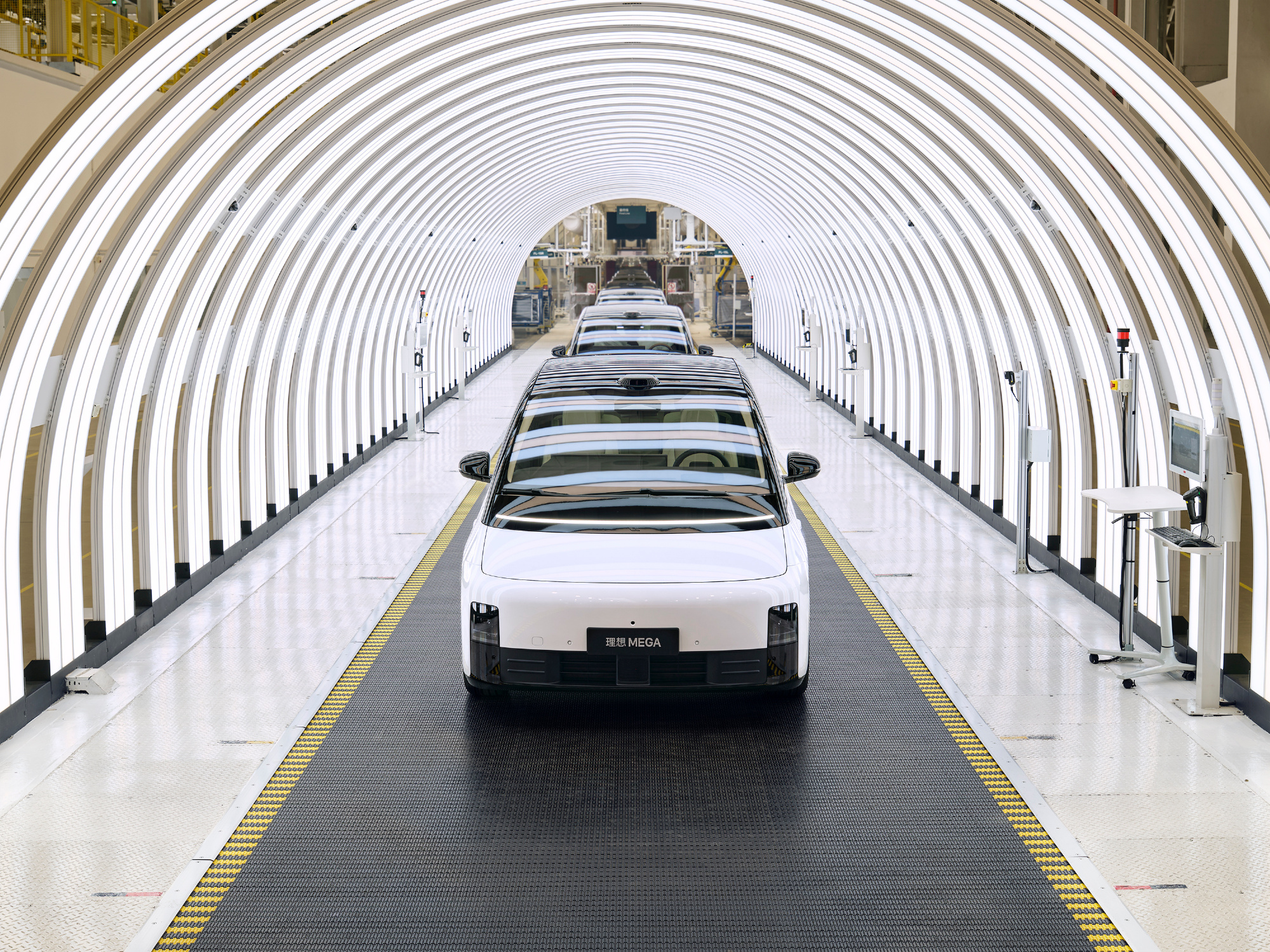
Among its current pure electric vehicle models, Li Auto tends to equip them with NVIDIA’s high-performance chips. For instance, the flagship MPV model MEGA and the new pure electric SUV model i8 are both fully equipped with the NVIDIA Thor-U across all variants. It is reported that Li Auto also intends to fully equip the pure electric SUV model i6 with the NVIDIA Thor-U.
For its current sales main sales drivers, the L-series extended-range electric vehicles (EREVs), Li Auto continues to use a hybrid strategy. Depending on the intelligent driving assistance version—AD Max or AD Pro—the vehicles are equipped with either the NVIDIA Thor-U or the Horizon Journey 6M chip, respectively.

Li Auto is not the only Chinese automaker investing in self-developed chips.
This year, NIO has also made new progress in this area. In July 2025, NIO’s CEO William Li announced that the application performance of NIO’s self-developed Shenji NX9031, the world’s first automotive-grade 5-nanometer autonomous driving chip, had met its design targets.
Furthermore, the all-new P7, launched just on the evening of August 27th, also utilizes XPeng Motors’ self-developed Turing chip for its autonomous driving system, achieving an effective total computing power of 2250 TOPS for the vehicle’s chipset.
According to the plan, Li Auto aims to officially apply the M100 chip in mass-production models by 2026.
As multiple Chinese automakers make progress in self-developing chips, the competitive landscape of the autonomous driving chip market is quietly changing, no longer solely reliant on traditional chip suppliers.
Discover more from ChinaEVHome
Subscribe to get the latest posts sent to your email.