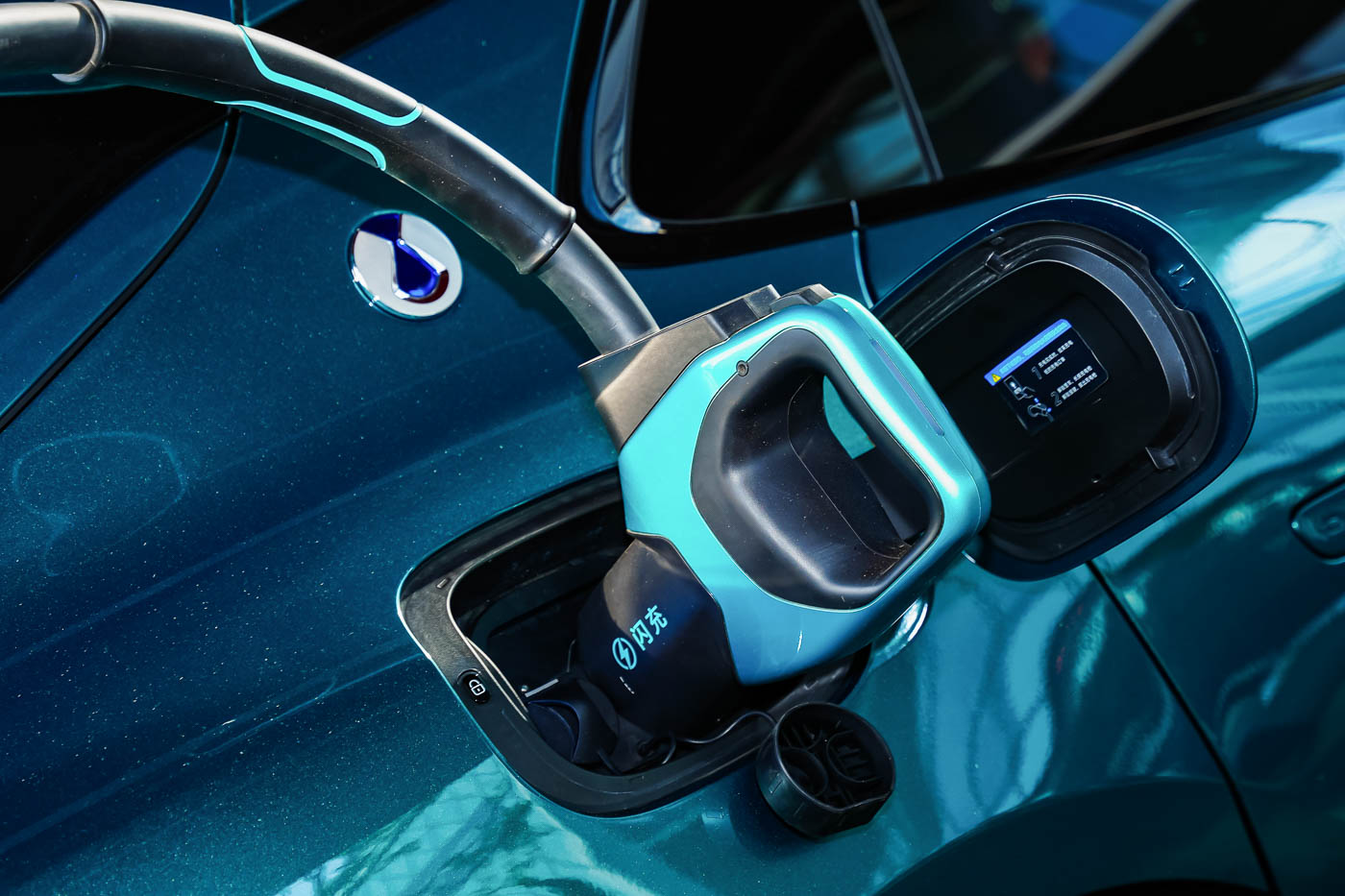
This morning, NIO released the latest progress on its charging and battery swap network construction for May 2025. This month, NIO newly built 50 battery swap stations and 208 charging piles, further increasing the density of its national energy replenishment network.

Regarding the long-term project “County-by-County Battery Swap Coverage,” NIO also made significant progress in May, newly covering 23 districts and counties including Sanyuan County in Xianyang and Qu County in Dazhou. Among these, Tianjin achieved full battery swap coverage across all 16 of its districts on May 28th, having built a total of 56 swap stations.
Currently, six major provinces and municipalities—Beijing, Shanghai, Zhejiang, Jiangsu, Guangdong, and Tianjin—have already achieved battery swap coverage at the county/district level.
Regarding highways, NIO has now built 989 highway battery swap stations nationwide, covering the main routes of the “9 Vertical, 9 Horizontal, and 14 Major City Clusters” network. Simply put, that averages one swap station every 180 kilometers.

Simultaneously, NIO Power is expanding its industrial-level collaborations. On May 20th, NIO Power signed an agreement with Shenyang Zhongde Development Group to deploy 100 integrated charging and swap stations across the four provinces/regions of Northeast China (Liaoning, Jilin, Heilongjiang, and Inner Mongolia).

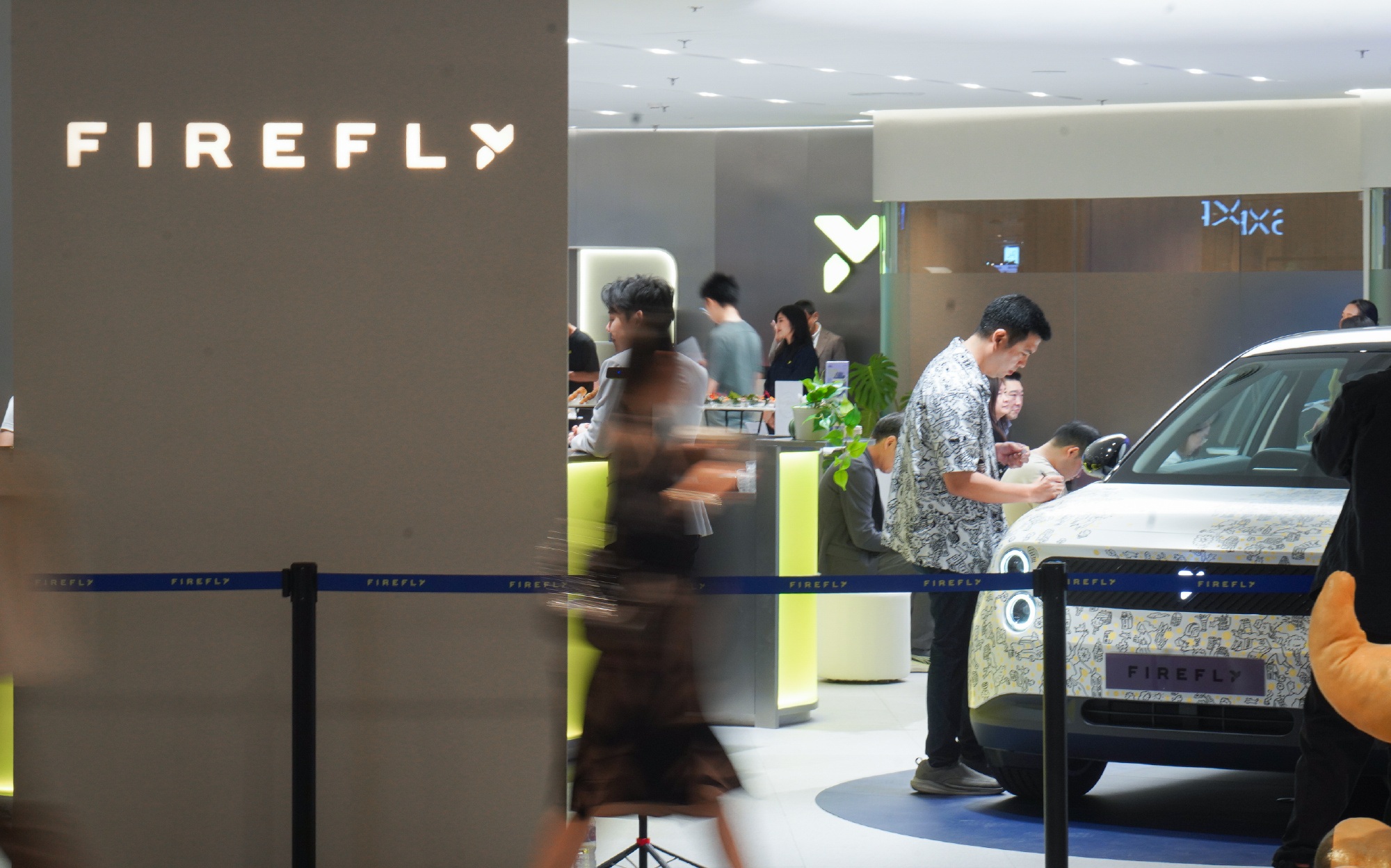
On May 29th, NIO Power and Zeekr Power officially interconnected their charging networks. Now, users of NIO, Ledao, and Firefly can directly use Zeekr’s charging piles.
This trend of interconnection and interoperability is accelerating. Currently, NIO has already achieved charging network sharing with brands like Xiaomi Auto, GAC, Chery, and Hongqi.
Li Bin stated during a livestream in February that 2025 is NIO’s “Year of Battery Swap,” with the goal of enabling users of NIO, Ledao, and partner brands to truly enjoy an energy replenishment experience close to that of gasoline vehicles. He also mentioned aiming to achieve “Charging County-by-County Coverage” across all provincial-level administrative regions except Hong Kong, Macau, and Taiwan before the end of June; and to complete ““County-level Swap Station” expands in 27 provinces nationwide by the end of the year.

It is now early June, and the next milestone is not far away.
Discover more from ChinaEVHome
Subscribe to get the latest posts sent to your email.